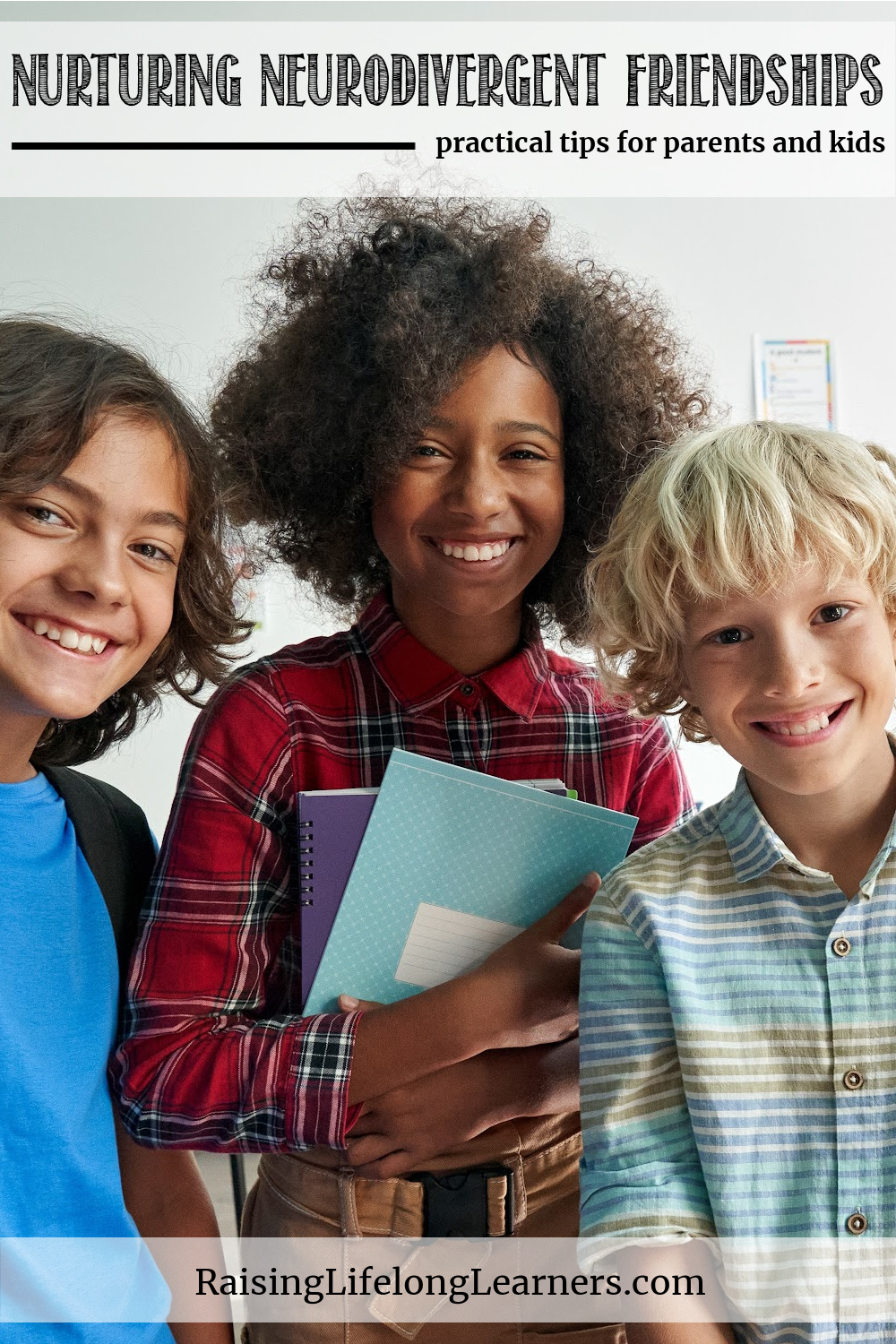
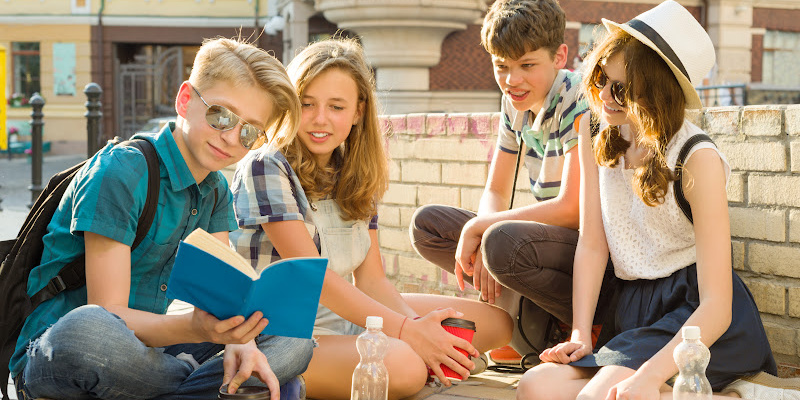
Nurturing Neurodivergent Friendships: Practical Tips for Parents and Kids
There are few parenting heartbreaks quite like watching your child struggle to form friendships. As a homeschooling parent of a neurodivergent child—whether they’re gifted, twice exceptional, on the autism spectrum, or carry a tangle of diagnoses and intensities—this ache can be especially poignant. The longing for connection is real, and the reasons for difficulty can feel both invisible and insurmountable. If you’ve ever scrolled past photos of birthday parties your child wasn’t invited to or sat beside them as tears fell after another failed playdate, you are not alone.
Let’s peel back the curtain on what’s really going on with neurodivergent kids and friendship, and talk honestly about what we—as parents—can do, how we can reframe our own guilt, and how we can help our kids build bridges that last.
Why Is Friendship So Hard for Neurodivergent Kids?
If you’ve ever wondered why making and keeping friends can be so challenging for your neurodivergent child, you’re definitely not imagining things.
It starts with wiring. Kids who are neurodivergent often experience the world differently, and that includes relationships. Gifted and twice-exceptional children, for instance, tend to develop asynchronously. This can mean a 10-year-old who reads adult novels but reacts to disappointment like a kindergartener—a combination that baffles their same-age peers and leaves everyone a little confused. The result? Fitting in feels impossible.
Then there’s sensory overwhelm. Crowds, noise, the swirl of smells and movement at social gatherings—these situations can be downright paralyzing for kids whose nervous systems are on high alert. What looks like withdrawal or lack of interest is often just survival.
And what about the rules? Many neurodivergent kids are deeply attached to routines and black-and-white thinking, which can make the fluidity and give-and-take of childhood friendships feel like chaos on a cosmic scale. If there’s an unspoken rule, they’ll either police it or flounder as others break it. The thought of inviting themselves into a game (instead of waiting to be included) just does not compute.
You might like: Busting the Biggest Myths About Homeschooling Neurodivergent Kids
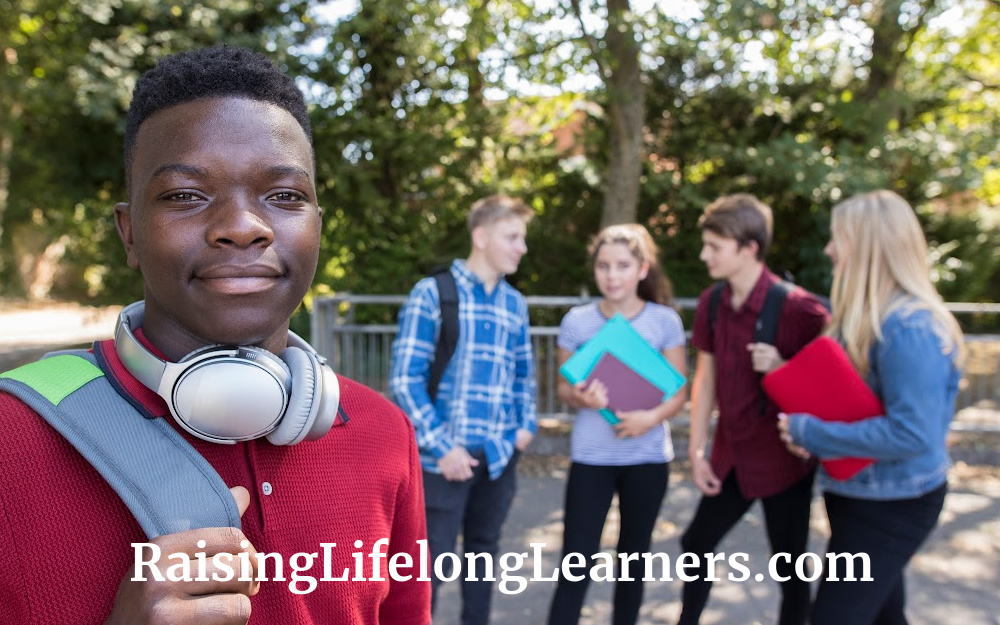
Intensities play a part too—sometimes your child’s passions burn so hot that other kids simply can’t keep up. If your kid could talk for hours about Minecraft mods or the periodic table, but other kids want to chat about TV, your child might quickly become either “too much” or just tune out, leading to even more isolation.
Last, but never least: social anxiety and subtle skills delays can drag down even the bravest attempts at connection. For kids with ADHD, autism, anxiety, or a blend of all three, just considering reaching out can spark a spiral of overthinking and rumination. Every missed cue feels like evidence that they won’t ever belong, and each awkward interaction is replayed on a loop.
Two Kinds of Lonely (And What to Do About Them)
Here’s one of those truths you may wish you’d heard sooner—there’s more than one way to feel lonely, and not all lonely kids experience it the way you expect.
- The Child Who Craves Connection: Some kids want friends desperately, but their attempts end in heartbreak. They’re achingly aware that they’re not fitting in. For these kids, the best you can do is offer empathy. Validate those feelings (“It makes sense to feel sad. Friendship is important and it’s hard right now. I get it.”) and practice, practice, practice—role-play social scripts, model conversation starters, and find activities that dovetail with their interests. Magic tricks, Rubik’s cubes, or Lego robotics clubs offer built-in talking points and open doors for connection. If rejection or anxiety starts to eat away at their self-worth, therapy or coaching is an act of courage, not a sign of failure.
- The Content Solo Flyer: Other kids are genuinely okay on their own. Maybe it’s you who feel the sting of missing out, worrying that they’re not getting enough social time. It can be harder for us than for them to accept a smaller social circle or solo pursuits. For these kids, respect their wiring. Support occasional opportunities for interaction—a birding walk, a volunteer stint, a multi-age hobby group—but let them find their own pace and style of relating. And remember: deep connection doesn’t have to happen with peers. Sometimes a child’s most meaningful relationships are with mentors, grandparents, or adults who share their interests.
Feeling Left Out Yourself
It’s not just our neurodivergent kids who feel alone, either. Many of us grieve the childhoods we imagined for our families. We superimpose our own school memories onto our kids or wonder if they’re suffering as much as we did (or thriving as much as we wish we had). When every Instagram scroll brings another highlight reel of “perfect” homeschool groups, idyllic meetups, or after-school adventures, it’s natural to mourn the gap between expectation and reality.
You might like: Thriving Together | Creating Supportive Environments in Homeschooling

Here’s where it’s time to take a breath and check in: Is your child emotionally thriving, even if things look different? Are they safe, seen, and supported by you or another trusted adult? Are you letting their needs—rather than your own fears—lead the way? If so, you’re doing the most important work there is.
Bridging the Gap: Strategies for Building Real Friendships
So what can we do today, as homeschooling parents of neurodivergent kids, to ease the ache and help our children form connections that last?
Normalize Neurodiversity at Home – Talk openly about how brains come in all shapes and styles. Use books, media, or family discussions to highlight that different isn’t broken—unique wiring is a superpower. Remind your child (and yourself) that the world needs creative, sensitive, deeply passionate people.
Seek Shared Interests, Not Just Same Ages – Instead of chasing elusive “age-appropriate” friends, find groups or activities focused on your child’s passions. Makerspaces, local theater, art workshops, or online clubs can connect your child with others who “get it,” regardless of age.
Practice Social Skills—Gently – Role-play introductions, body language, and conversation starters. Watch movies and talk about character interactions. Google “social stories” for scripts you can tailor to your child’s tricky situations. Start small—virtual play clubs, one-on-one hikes, or short meetups work wonders for building confidence.
Be the Bridge, Not the Bulldozer – It’s tempting to orchestrate every social interaction, but real growth comes when kids try things on their own, at their own pace. Set up opportunities, coach gently, and let them take the first steps.
Value Depth Over Quantity – One or two true friends (even if they’re online, older, or next-door neighbors) can mean more than a dozen acquaintances. Quality matters more than numbers.
Redefining Success: Your Child’s Own Pace, Your Steady Support
Friendship for neurodivergent kids is rarely simple, quick, or what we expected. It can look messy, slow, and unusual—but it can also be beautiful, authentic, and abiding.
Your child is not broken, you are not failing, and their different social journey is not a reflection of your worth as a parent. With patience, empathy, and persistent support, connections will come—sometimes through odd twists and unexpected channels.
In the gaps between milestones and the quiet after hard days, your steady acceptance and willingness to see your child as they are gives them what every human needs: the foundation of true friendship.
You’re building the kind of love that outlasts the playground and college campus alike. That matters most, and you’re doing better than you know.
RLL #289: Nurturing Neurodivergent Friendships: Practical Tips for Parents and Kids
This week on the podcast we’re diving into a topic that’s near and dear to so many of us: friendships for neurodivergent kids (and yes, for us as parents too). With a new school year kicking into gear, worries about social connection and “finding your people” can rise to the surface—especially for families navigating neurodiversity.
What We’re Unpacking This Episode:
- Why friendships can be challenging for neurodivergent kids (think asynchronous development, sensory sensitivities, social anxiety, or intense interests that aren’t always shared by peers).
- Supporting your child: From validating their feelings and practicing social skills together, to seeking out interest-based clubs and even professional help when needed, we’re covering loads of strategies.
- Managing our own expectations: Sometimes it’s our hearts that ache more than our kids’—especially if they’re totally content solo-building Lego metropolises while we scroll by endless social media playdate posts. (You’re not alone if this sounds all too familiar.)
Key Takeaway: There’s no single “right” way for kids to socialize—and not all loneliness means your child is suffering. We talk about the difference between the child who longs for connection (and how to support them) and the content solo flyer (who’s truly happy alone, even if that’s hard for us to accept as parents).
Quick Tips From the Episode:
- Normalize neurodiversity at home. Celebrate differences. Your child isn’t broken—they’re beautifully wired.
- Prioritize shared interests over age. Sometimes the best friendships are across generations or centered around passions rather than peer groups.
- Practice and role-play social skills in low-pressure environments (think: one-on-one meetups, online clubs like our Learner’s Lab, or even just chatting with a cool neighbor with a unique hobby).
- Know that seeking therapy or coaching is a strength, not a weakness—for both kids and parents.
A Gentle Reminder:
If your child is thriving emotionally, feels seen and supported, and is building their life at their own pace—even if it doesn’t look the way you expected—you’re doing a great job. Sometimes the most meaningful friendships (and personal growth) take the scenic route.
Links and Resources from Today’s Episode
Thank you to our sponsors:
CTC Math – Flexible, affordable math for the whole family!
Night Zookeeper – Fun, comprehensive language arts for ages 6-12
- The Homeschool Advantage: A Child-Focused Approach to Raising Lifelong Learners
- The Homeschool Advantage: A Child-Focused Approach to Raising Lifelong Learners Audiobook
- Raising Lifelong Learners Membership Community – The Learners Lab
- Raising Resilient Sons by Colleen Kessler, M.Ed.
- The Anxiety Toolkit
- 5 Tips for Helping Gifted Children Make Friends
- Finding Your People | Why Community Matters for Homeschoolers of Neurodivergent Kids
- Why LEGO STEM Challenges Belong in Your Homeschool – Especially If You’re Raising Neurodivergent Kids
- Teaching Kids to Befriend Others
- Teaching Kids About Being a Good Friend with Help From Great Books and Netflix
- RLL #42: What It’s Like to be Homeschooled with Best Friends Molly and Ella