
“I Don’t Want Friends”: When Your Homeschooler Prefers Solitude

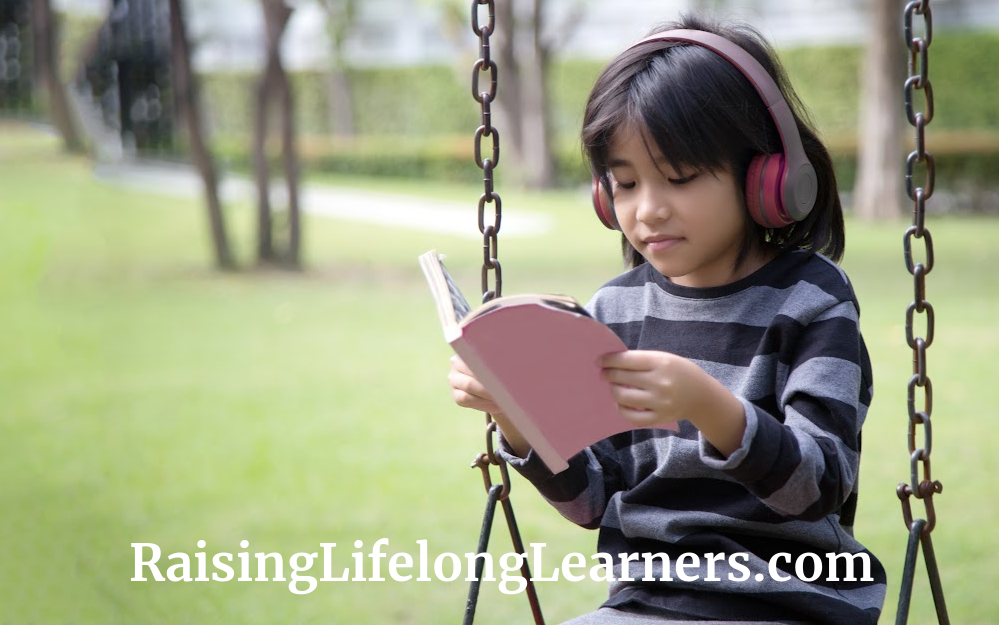
She sat across from me, eyes warily scanning her child curled up with a book, alone again. “He says he doesn’t want friends,” she whispered. Behind her echoed the silent worries of a thousand homeschool parents—why won’t they join in? Why don’t they crave play dates, lunch tables full of chatter, the cacophony of childhood friendship?
Why is my kid happier alone?
Solitude or Isolation? Decoding the Difference
When we think of happy, thriving kids, we imagine energetic friendships, laughter echoing across playgrounds, and group activities with everyone involved. Culturally, sociability equals success. The more outgoing, the better. But for many neurodivergent and gifted children, the reality is far quieter—a world where solitude isn’t an absence but a healing balm.
So, what does it mean when your child says, “I just want to be alone”? Sometimes, it’s simple: they truly prefer their own company. They need fewer people, but they want deeper connections. The signs are easy to spot—stable moods, joyful engagement in hobbies, openness (not avoidance) to a brief hello or connection, and zero shame about enjoying their own space.
Other times, withdrawal is protective—a shield against overwhelming or unsafe social situations. You might hear rigid statements: “I always want to be alone” or “I never want to go to that group again.” Paired with negative self-talk (“Nobody likes me anyway”), avoidance, even anger or hopelessness, the world shrinks to a bedroom or the four walls of home.
Solitude is a choice. Isolation is fear. Our job is to discern which we’re seeing—and know when to step in.
When Solitude Is Healthy
For so many differently wired kids—autistic, anxious, gifted with asynchronous development, those with sensory sensitivities—quiet isn’t punishment or failure, it’s vital. Time alone restores energy, regulates overwhelmed sensory systems, helps recover from a day of navigating social minefields. “I’m happy alone” may mean “I need to recharge,” “I feel safe here,” or “being with others takes more out of me than it gives.”
In our family, one summer of over-scheduled jobs left my teen burnt out, dreading the new season. She’d gone from no work to 35+ hour weeks of paid and volunteer labor—a headfirst plummet into responsibility. Even months later, anxiety simmered at the thought of repeating it. Her refrain? “I just want to stay home.” What looked like withdrawal was really a plea for control over her schedule, for space, for recovery.
Homeschoolers know the temptation to fill calendars with endless field trips, co-ops, clubs, and playdates. But sometimes, what helps most is giving your child autonomy to say “not now,” to let them return to themselves and find refuge in their passions.
“I’m Happy Alone.” What Are They Really Saying?
Kids rarely have the language to explain why they retreat. “I want to be alone” could mask:
- Overstimulation—social exhaustion, sensory overload, too much noise and chaos.
- Unsafe social settings—bullying, exclusion, or just not clicking with peers.
- A need for control—too many demands, too little agency.
- Socializing costs more than it’s worth—hard work building relationships with little payoff.
- Self-protection—recovering from hurt, disappointment, rejection.
Each reason matters. None are signs of failure. It’s our job to dig gently, to listen more than we talk, to honor their needs instead of rushing to fix them.
You might like: When Friendship Feels Impossible: Supporting Neurodivergent Kids Through Rejection
Listening Without Lecturing
Our instinct is to solve, to correct, to push our kids towards more social experiences. But the first step is curiosity, not correction. Try open-ended questions:
- What do you like about being alone?
- What’s hardest about being with people?
- How do you feel after socializing—drained, calm, anxious?
- What activities bring you joy when you’re solo?
Then: listen. Don’t lecture, don’t compare, don’t suggest that solitude is wrong or broken. If you take one thing from this—listen more than you talk. You’ll learn who your child really is and how to support them without closing doors.
The best version of your child is not the one you imagined, but the one they are. Your task is to honor that, help them use their gifts and quirks in ways that let them thrive, even if those ways don’t look like everyone else.
Supporting Solitude Without Creating Isolation
What shouldn’t we do? Don’t force frequent social exposure. Don’t lecture about making friends. Don’t remove solitude as a consequence for behavior (“You’ve been alone too much, you have to go!”). Don’t compare them to siblings or peers—some kids are extroverts, others need only one confidant. That’s normal. Life would be incredibly dull if everyone lived the same way.
Instead, offer low-pressure connection options. Invite without expectation, respect “not now” as not forever. Let them choose—homeschool dances, small game nights, field trips where they can stay close to family, online clubs, or volunteering next to you. Give a menu of social choices and step back.
Helpful phrases: “You don’t have to decide forever,” “Let’s keep this option open and revisit it,” “You choose what feels safe to you.” Act as the quiet bridge between activities, not the driver of what must happen. As your kids get older, this matters even more.
Keeping Social Muscles Warm
Even children who crave solitude benefit from gentle social “warm-ups.” Try interest-based activities (art classes, Lego clubs, hobby meetups), shorter interactions (two-hour co-ops, library visits, brief playdates), parallel play (building separately but together), familiar people in predictable settings, or intergenerational relationships (grandparents, aunts, uncles, trusted adults).
Online groups with supportive facilitation can be lifelines—Lego club, doodle club, teen/tween meetups, creative thinking classes. Volunteering as a family offers shared purpose with manageable social demands.
Connection needn’t be intense to be meaningful. Let your kids set the pace, keep their dignity, and avoid shame around their preference for being alone.
It’s Usually Our Angst, Not Theirs
Here’s the truth: most of the time, we are the ones agonizing over their solitude—not them. We worry about missed milestones, loneliness, adulthood, and judgment from others. Our anxiety turns their chosen solitude into pressure, even shame.
But social growth is neither linear nor urgent. Trust what you see. Connection will come when it fits, often later than we expect—sometimes years later, in college or career, when passions align and true peers emerge.
It doesn’t mean they’re broken; it means they’re themselves.
You might like: When Homeschool Co-Ops Don’t Work: Friendship Strategies for Neurodivergent Kids
Gentle Check-Ins: Prevent Isolation
To ensure healthy solitude isn’t sliding into unhealthy isolation, try a monthly check-in:
- Do you feel lonely or peaceful most days?
- What does loneliness feel like? What about peaceful solitude?
- Is there someone you enjoy seeing regularly?
- What helps you feel connected without draining you?
No action required, just reflection—help them name their feelings, and help yourself understand what’s really going on.
Every Child Blooms In Their Own Way
Some kids thrive in a whirlwind of friendships. Others bloom in quiet corners. Our task isn’t to rush or force them, but to offer support, keep opportunities open, and honor the child in front of us.
Social “hangovers”—the need to recover after socializing—are real for many neurodivergent kids and parents alike. Next, we’ll talk about recovery plans, but for now, know this: solitude isn’t a problem to solve or a sign of failure. It’s a path, sometimes the right path, for your quirky, wonderful, differently wired child.
Keep listening, keep loving, keep offering gentle bridges to connection—and let your child bloom in their own, beautifully unique way.
RLL #310: “I Don’t Want Friends”: When Your Homeschooler Prefers Solitude
This week, we’re exploring an important and sometimes misunderstood topic: what to do when our neurodivergent kids are happier alone and genuinely prefer solitude over social interactions.
Key Takeaways:
- Solitude Can Be Healthy: Recognize that some children genuinely enjoy being alone, and this can be restorative, not problematic. Honor their need for quiet time without assuming something is wrong.
- Distinguish Between Solitude and Isolation: Pay attention to signs. Healthy solitude is chosen, flexible, and doesn’t carry shame, while isolation is often rigid, driven by fear, and paired with sadness or avoidance.
- Listen More Than You Talk: When your child expresses a preference for being alone, approach with curiosity rather than correction. Ask open-ended questions and avoid jumping into problem-solving.
- Don’t Force Social Exposure: Avoid pushing frequent social situations or using solitude as a consequence. Let your child take breaks and control their level of social participation.
- Offer Invitations Without Pressure: Always keep low-demand connection options available. Respect “not now” and provide different types of social opportunities to let your child decide what feels safest.
- Honor Individual Differences: Never compare your child’s social preferences to siblings or peers. Each child’s needs and approach to friendships are unique and deserving of respect.
- Keep Connection Accessible: Even for children who prefer solitude, periodically check in. Offer short, interest-based activities, familiar settings, or intergenerational relationships to keep social muscles warm.
- Connection Isn’t Linear or Urgent: Reassure your child (and yourself) that social growth happens at their own pace. Deep friendships may come later and are worth waiting for.
- Gentle Check-Ins: Periodically ask your child if they feel lonely or peaceful in their solitude, and discuss what helps them recharge and feel connected, without requiring action.
- Encourage Self-Discovery: Support your child’s exploration of what types of friendships and connections work for them. Provide opportunities but let them drive the process.
Cherish the connections your child finds, offer gentle support, and remember: The world would be boring if we all fit the same mold. Your child’s unique wiring deserves celebration, not correction.
Links and Resources from Today’s Episode
Thank you to our sponsors:
CTC Math – Flexible, affordable math for the whole family!
Curiosity Post – A Snail Mail Club for kids – Real mail; Real life!
The Learner’s Lab – Online community for families homeschooling gifted/2e & neurodivergent kiddos!
- The Lab: An Online Community for Families Homeschooling Neurodivergent Kiddos
- The Homeschool Advantage: A Child-Focused Approach to Raising Lifelong Learners
- Raising Resilient Sons: A Boy Mom’s Guide to Building a Strong, Confident, and Emotionally Intelligent Family
- The Anxiety Toolkit
- Sensory Strategy Toolkit | Quick Regulation Activities for Home
- Affirmation Cards for Anxious Kids
- Nurturing Neurodivergent Friendships: Practical Tips for Parents and Kids
- RLL #42: What It’s Like to be Homeschooled with Best Friends Molly and Ella
- Teaching Kids About Being a Good Friend with Help From Great Books and Netflix
- Teaching Kids to Befriend Others
- 5 Tips for Helping Gifted Children Make Friends
- Navigating Sensory Overload: Actionable Strategies for Kids in Loud Environments
- The Not-So Friendly Friend: How to Set Boundaries for Healthy Friendships
- Social Skills Activities for Kids
- Growing Friendships: A Kids’ Guide to Making and Keeping Friends
- Have You Filled a Bucket Today?: A Guide to Daily Happiness for Kids
- One Big Heart: A Celebration of Being More Alike than Different
- Life Skills for Kids: Unlocking a World of Possibilities through Friendship, Decision-Making, Cooking, Achieving a Success Mindset, Time-Management, Budgeting, and More
- Empathy Workbook for Kids: 50 Activities to Learn About Kindness, Compassion, and Other People’s Feelings