Thanksgiving Fun That Builds Connection and Gratitude in Your Homeschool

If you’ve ever tried to host a calm, connected Thanksgiving with neurodivergent kids in the mix, you know it can be… well, a lot. The excitement, sensory overload, changes in routine, and all that rich, heavy food—it’s a perfect recipe for meltdowns, exhaustion, or a serious case of “holiday hangover.”
But what if Thanksgiving didn’t have to be stressful? What if you could make it a time of genuine connection, gratitude, and laughter that actually honors your child’s unique needs and rhythms?
That’s exactly what this Thanksgiving Fun Activities printable is designed to help you do.
A Holiday Rooted in Connection
At its heart, Thanksgiving is about gratitude and togetherness—two things our neurodivergent learners crave but often struggle to express when their nervous systems are on high alert.
This free printable is packed with simple, low-prep games and activities that invite your family to pause, play, and connect—without adding to your to-do list.
You’ll find:
“Would You Rather?” and “This or That?” Games – Perfect for dinner conversation or long car rides, these quick questions help kids practice flexible thinking, humor, and self-expression. They’re also great for siblings who may not always connect easily—everyone gets a voice, and there’s no “wrong” answer.
Thanksgiving Scattergories – A fun twist on a classic! Encourage divergent thinking and creative problem-solving as kids brainstorm holiday-themed words for each letter. It’s sneaky learning at its best.
Emoji Guessing Game – A lighthearted way to help kids with social and emotional reasoning. They’ll practice decoding symbols, recognizing patterns, and connecting ideas—all wrapped up in a silly challenge.
Gratitude Bucket List – Meaningful moments don’t have to be complicated. Whether it’s writing thank-you notes, creating art, or hosting a family movie marathon, these ideas help your kids build gratitude as a daily habit, not just a holiday activity.
Conversation Starters – These are my favorite. They spark imagination, humor, and deeper discussion around the Thanksgiving table. For kids who might find open-ended conversation hard, the prompts give a gentle on-ramp to sharing thoughts and ideas.
Why Activities Like These Matter for Neurodivergent Learners
Gifted and twice-exceptional kids thrive when they feel seen, safe, and valued for their unique ways of thinking. Structured play—especially the kind that encourages creativity and connection—gives them a chance to regulate, communicate, and build confidence.
Games like these help:
- Strengthen social-emotional skills in a low-pressure, joyful way.
- Encourage executive function growth through turn-taking, memory, and problem-solving.
- Build family traditions that are flexible enough for everyone to enjoy, regardless of sensory or social needs.
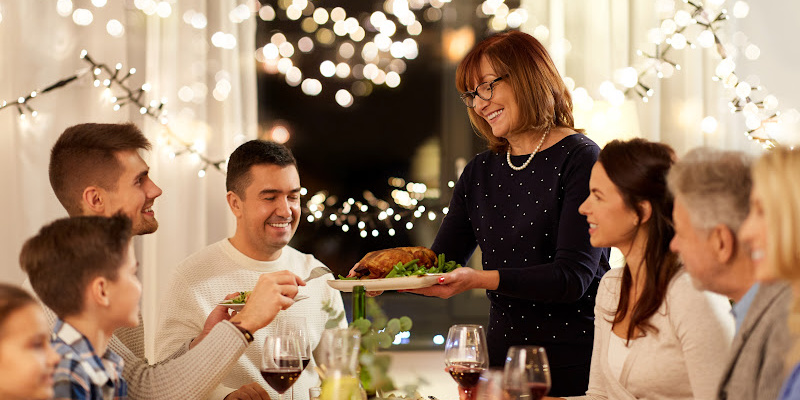
And maybe best of all—they help shift the focus away from perfection and back toward connection. Because your Thanksgiving table doesn’t have to look like a Norman Rockwell painting to be full of love and laughter.
You might like: Managing Your Child’s Intensity During the Holidays

Making It Work for Your Family
Here are a few quick tips to make these activities even more accessible:
- Print ahead of time – Keep pages handy for when you need a calm-down moment or something fun to fill that pre-dinner waiting period.
- Let kids lead – Empower your child to choose which games to play and when. Giving them ownership helps prevent overwhelm.
- Adapt as needed – Turn conversation starters into drawing prompts, use visuals for non-readers, or play in pairs for kids who prefer smaller groups.
- Celebrate every connection – Whether your child shares a silly answer or just sits close while listening, it all counts as success.
A Thanksgiving That Fits Your Family
If your homeschool and family life look a little different from the picture-perfect version online—you’re in good company. Our neurodivergent kids experience the world intensely. The noise, smells, and expectations of the holidays can feel overwhelming.
This year, instead of chasing calm, create it—one shared laugh, one silly game, one grateful moment at a time.
Because the real magic of Thanksgiving isn’t in the turkey or the table setting—it’s in those small, meaningful moments of connection that remind our kids (and us) that they belong, exactly as they are.
