Why Movement Matters (Especially for Our Neurodivergent Kids) — And a Fun Freebie to Help!

If you’ve been homeschooling for any length of time—especially if you’re raising gifted, twice-exceptional, or otherwise neurodivergent kiddos—you already know that sitting still isn’t always their strong suit.
And honestly? It probably shouldn’t be.
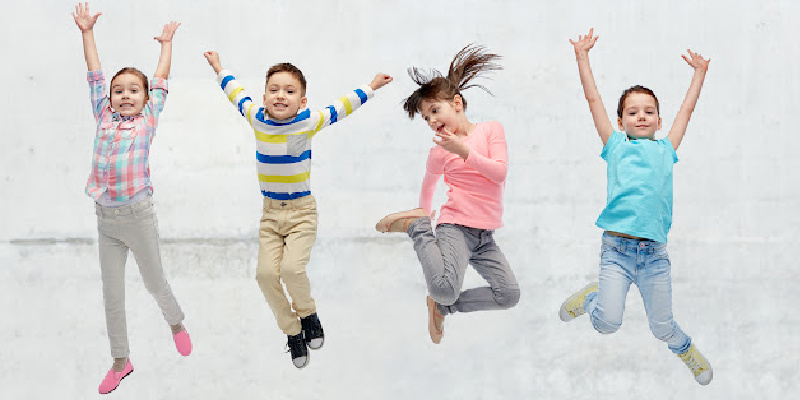
Our kids are thinkers and feelers and movers. They process the world through motion, through bouncing ideas (and bodies) off of their environment. They may need to jump and wiggle while they solve math problems, or pace while planning a story. They might even need a full-body movement break before attempting anything that feels hard or overwhelming.
So today, I’m bringing you a free, playful tool that makes movement easy to build into your homeschool day: Alphabet Exercise Cards!
These printable cards are a simple, no-prep way to get your kids moving—whether you use them for brain breaks, energizing transitions, or just a giggly start to the day.
Let’s talk about why movement is so important for our differently-wired kids—and how these cards can support their learning and emotional regulation at the same time.
Movement Supports the Brain
Research tells us that physical activity boosts focus, memory, and cognitive flexibility—all things our neurodivergent kiddos can struggle with. For twice-exceptional kids with ADHD or sensory processing needs, movement isn’t a distraction from learning… it’s often a pathway to it.
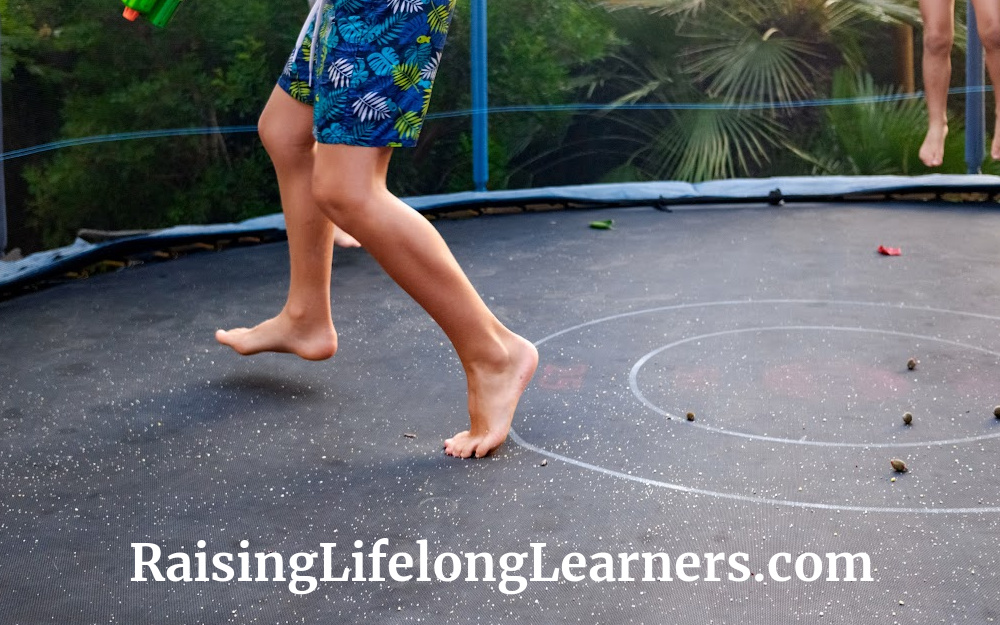
Those arm circles and ninja kicks? They aren’t just silly fun (though they definitely are fun). They help regulate the nervous system, build proprioceptive awareness, and offer sensory input that calms and organizes the brain.
You might also like: Psychomotor Overexcitabilities: Helping Your Child Thrive
Flexibility and Customization Built In
What I love about these Alphabet Exercise Cards is how easy they are to adapt.
- You can spell names, words, or sentences, letting your child “exercise their spelling” as they hop, stomp, and twirl.
- Let your child pick a word that matches how they feel—”excited,” “bored,” “tired,” “strong”—and do the movements that go with it.
- Use them as transitions between subjects, like a mini-reset when switching from reading to science or math to art.
- Create a “movement menu” for the day with a few favorite words and keep them in a jar for spontaneous wiggles.
And because these are alphabet-based, they grow with your child. You can sneak in spelling, phonics, letter recognition, and even typing practice (spell it out and act it out!).
Connection Over Perfection
If your child is dysregulated or melting down, a full lesson plan isn’t going to help. But pausing for a quick “penguin waddle” or “windmill twirl” might just reset the day—for both of you.
This isn’t about hitting exercise goals or burning energy in a traditional sense. It’s about giving our kids the sensory diet they crave and making movement a safe, expected, and joyful part of life and learning.
Especially for kids who feel out of sync with their own bodies or emotions, these silly little cards can feel grounding and empowering.
Grab Your Free Alphabet Exercise Cards
I created these cards to serve as a tool you can use anytime you need a quick win. Print them out, cut them up, toss them in a bowl or a bin, and let your kids lead the way. You can even laminate them if you want them to last longer.
Click below to download your free Alphabet Exercise Cards
I hope they bring a little more movement, joy, and connection into your day.
And friend?
You’re doing amazing. Whether your kid is upside down on the couch while practicing spelling words or growling like a tiger during your morning routine… it all counts. You’re creating a homeschool life that works for your unique learner, and that’s a beautiful thing.
Let’s keep making learning an adventure.