Social Energy, Recovery Plans, and Connection for Neurodivergent Families

“Why does she fall apart after playdates?”
It’s the question that hangs heavy over many afternoons, coming after the laughter, lively chatter, and friendship-building that seemed to go just fine. You know the routine—everyone’s smiling when you leave, nothing appears amiss, then the crash comes. Tears, irritability, withdrawal, sometimes even the complete shutdown the next day.
Is this just part of raising a quirky kid? Is it behavioral, emotional, a sign that you should push harder on social skills, or pull back? For families homeschooling neurodivergent kids—those wired differently, whether they’re autistic, have ADHD, are gifted, anxious, or exceptionally empathetic—this isn’t an uncommon dilemma. Wanting friends doesn’t automatically mean unlimited social stamina, and what looks “normal” to others often feels impossible for our kids.
Social Hangovers: What Are They, And Why Do They Hurt?
There’s no fancy clinical term for it… but among parents raising sensitive, creative, fast-thinking children, “social hangover” rings true. It’s a delayed reaction, not unlike what happens after too much noise at a party—except it’s a nervous system response, not a headache.
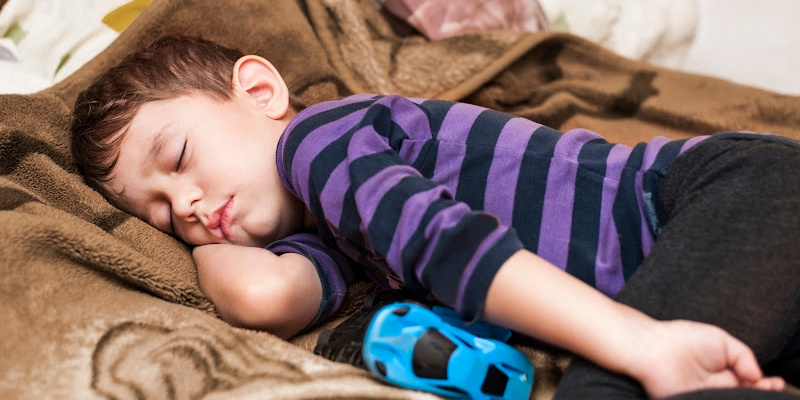
Kids, especially neurodivergent ones, put in extra effort to do social activities: masking their quirks, self-monitoring every conversation, tolerating unfamiliar sights, sounds, and touches. The cognitive load can be immense. Even when things look fine in the moment, the body keeps score. All those invisible tasks pile up until the brain can’t handle any more. Sometimes it’s hours later, sometimes the day after, but the fallout is real—meltdowns, shutdowns, physical complaints, refusal to try socializing again.
This isn’t misbehavior. It’s delayed processing. It’s the brain catching up, the nervous system resetting. These crashes don’t mean your child failed socially… they just extend past the visible part of connection. Understanding this is key—it’s not “bad behavior,” it’s your child’s whole self needing to recover.
Who Gets Social Hangovers, And Why?
Social hangovers don’t discriminate, but neurodivergent kids are especially vulnerable. Autistic children, those with ADHD, anxious and gifted kids, highly empathetic or PDA-leaning kiddos—they all process social input differently. Social events require them to manage sensory overload, emotional regulation, exit interactions gracefully, all without showing their struggle.
The reasons are layered:
- Higher sensory input at gatherings or playdates
- Slower emotional processing compared to peers
- Difficulty exiting interactions early before overwhelm sets in
- Pressure to “be okay” socially, masking real feelings
Just because your child wants friends doesn’t mean they have infinite capacity for social time. Social desire and social stamina don’t always match up.
You might like: “I Don’t Want Friends”: When Your Homeschooler Prefers Solitude
How Social Hangovers Manifest
You may notice:
- Emotional explosions or irritability after social events
- Withdrawal, quietness, or shutdown behavior the next day
- Headaches, stomachaches, fatigue—physical complaints with no obvious cause
- Refusal to join activities again, or avoidance of future invitations
Sometimes these behaviors show up immediately, sometimes hours or even days after the event. It’s not a coincidence or a one-time thing—it’s a pattern worth paying attention to.
The “Student of Your Child” Approach: Identifying Social Capacity
Every child has a social energy window—a unique threshold for how much interaction is comfortable before it all becomes too much. Figuring out your child’s window is crucial, and it often means being both detective and strategist.
Watch for:
- How your kids act during (and after) social time
- What they gravitate toward right after coming home (quiet alone time, active play, reading, retreating to their room)
- When meltdowns or shutdowns appear (immediately, hours later, next day)
Write things down—a notebook, notes in your phone, anything—to help you remember patterns and triggers. One child might need to decompress right away, another waits until the next day. Social capacity is unique to each child, and it may be different for every member of your family.
Building a Recovery Plan: Proactive, Predictable, Compassionate
Social exhaustion is manageable—if you build in recovery time and plan for it before meltdowns happen. Reactive strategies rarely work, but proactive plans can make all the difference.
Step 1: Predictable, Gentle Endings
Set a time limit before leaving for an event. Use visual timers or clear cues—hand signals, countdown warnings, or gentle reminders. Warn your child: “We have 30 minutes left,” “15 minutes to wrap up,” “5 minutes until time to say goodbye.” Exit before capacity is reached, while things are still going well.
Step 2: Immediate Decompression
When you get home, resist the urge to debrief or ask questions. Provide snacks, silence, headphones, audiobooks—whatever soothes. Let your child retreat, offer quiet support, and hold off on processing the event until everyone’s decompressed.
Step 3: Regulation and Solo Activities
Encourage movement, sensory comfort, familiar routines. Go for a walk, jump on the trampoline, use a weighted blanket, dim the lights, hang out in their chosen “safe space.” The script: “We’re home. You don’t need to talk right now. Snacks are ready. Let’s chat later after you’ve had some time.”
Step 4: The Day After Matters
Don’t stack multiple social events. Take the next day light—fewer academic expectations, bigger chunks of time on passion projects, more autonomy. Avoid excessive transitions. Give yourself and your child real space to recover, not just survive.
Recovery Isn’t Avoidance: Reframing What Social Exhaustion Means
So often, neurodivergent children (and their parents!) aren’t avoiding social experiences—they’re recovering. Recovery is not shameful, not failure, and not avoidance. It’s simply what the nervous system needs to be ready for next time.
Maybe you love playdates, co-ops, homeschool groups… but you just don’t have capacity for two in a row. Maybe your child is happy to see friends, but doesn’t want to go again for days after. That’s okay. Recovery time makes future connections possible.
You might like: When Friendship Feels Impossible: Supporting Neurodivergent Kids Through Rejection
Teaching Kids To Notice Their Limits
Helping your children recognize overload early is a powerful life skill. Teach them to name their feelings, express what their body feels like, and ask for breaks without shame. Use simple language: “Are you feeling green, yellow, or red?” “Do you want to be left alone, or do you want company?” “What would help you recover faster?”
When kids can articulate what they need, they learn self-advocacy. This isn’t coddling—it’s giving them tools for resilience.
Pacing Social Life (Without Avoidance)
Not every social interaction needs to be crammed in. Part of homeschooling neurodivergent kids is finding the rhythm that works for them: fewer, higher-quality interactions with buffer days built in. Alternate social days and solo days, plan one playdate at a time, schedule days to recover. Burnout looks a lot like avoidance, but pacing prevents it.
Remember, you want social connection to add to your child’s life—not cost days and days of recovery. When you honor nervous system needs, friendship becomes sustainable. Relationships stay enjoyable. Social life doesn’t have to be typical to be healthy.
Your child’s social struggles aren’t proof of failure. They’re signals—delayed responses to an overwhelming world. Recognize patterns, plan for recovery, and teach your child to honor their own limits. Social hangovers aren’t a sign your child shouldn’t try again… they’re a sign you need to be patient, proactive, and compassionate.
Homeschooling gives you space for this. Space to observe, listen, adapt, and create a social life that fits your child, not the world’s expectations. Recovery is brave, advocacy is powerful, and every small step toward understanding and honoring your child’s needs is a step toward lifelong connection.
They don’t fail socially. Their bodies just need more time to recover—and that’s perfectly okay.
RLL #311: Social Energy, Recovery Plans, and Connection for Neurodivergent Families
This week, we wrapped up our five-episode series all about social life and friendship for neurodivergent homeschooled kiddos. Episode 311 digs into a topic many families experience but often don’t have a name for: social hangovers—the aftermath of social time when kids (and adults!) crash, resist future invitations, or need days to recover.
Key Takeaways
- Social hangovers are the nervous system’s delayed response to social effort, especially common in neurodivergent kids who mask, self-monitor, and process a ton during interactions.
- Signs include:
- Irritability or emotional explosions
- Withdrawal/shutdown
- Physical complaints (headaches, stomachaches)
- Refusal of future plans
- Reframe the behavior: This isn’t poor behavior—it’s delayed processing, not avoidance.
- Build recovery plans BEFORE burnout happens! Include:
- Predictable ending times and visual cues
- Leaving while things are still going well
- Immediate decompression time (quiet, silence, snacks, audiobooks)
- Regulation through movement or sensory comfort
- No reflection or questions until after decompression
Proactive Strategies
- Know your child’s social energy window—how long they can handle interactions before going into yellow or red zones.
- Support with lighter academic loads or more autonomy the day after social events.
- Avoid stacking multiple social events together; buffer days matter!
- Teach kids to name their feelings and advocate for breaks without shame.
The Learner’s Lab & Friendship Pathways
If you want more strategies, real-time classes, and a supportive community, check out the Learner’s Lab! Plus, grab our Friendship Pathways Handout (linked above!).
The Learner’s Lab is open to families using charter/ESA funds—reach out if you’d like us to become an approved vendor for your organization.
Links and Resources from Today’s Episode
Thank you to our sponsors:
CTC Math – Flexible, affordable math for the whole family!
Curiosity Post – A Snail Mail Club for kids – Real mail; Real life!
The Learner’s Lab – Online community for families homeschooling gifted/2e & neurodivergent kiddos!
- The Lab: An Online Community for Families Homeschooling Neurodivergent Kiddos
- The Homeschool Advantage: A Child-Focused Approach to Raising Lifelong Learners
- Raising Resilient Sons: A Boy Mom’s Guide to Building a Strong, Confident, and Emotionally Intelligent Family
- The Anxiety Toolkit
- Sensory Strategy Toolkit | Quick Regulation Activities for Home
- Affirmation Cards for Anxious Kids
- Nurturing Neurodivergent Friendships: Practical Tips for Parents and Kids
- RLL #42: What It’s Like to be Homeschooled with Best Friends Molly and Ella
- Teaching Kids About Being a Good Friend with Help From Great Books and Netflix
- Teaching Kids to Befriend Others
- 5 Tips for Helping Gifted Children Make Friends
- Navigating Sensory Overload: Actionable Strategies for Kids in Loud Environments
- The Not-So Friendly Friend: How to Set Boundaries for Healthy Friendships
- Social Skills Activities for Kids
- Growing Friendships: A Kids’ Guide to Making and Keeping Friends
- Have You Filled a Bucket Today?: A Guide to Daily Happiness for Kids
- One Big Heart: A Celebration of Being More Alike than Different
- Life Skills for Kids: Unlocking a World of Possibilities through Friendship, Decision-Making, Cooking, Achieving a Success Mindset, Time-Management, Budgeting, and More
- Empathy Workbook for Kids: 50 Activities to Learn About Kindness, Compassion, and Other People’s Feelings