Creative Summer Activities to Strengthen Family Connection and Boost Learning

We’ve all had those summers—the ones that seem to flash by in a blur of sticky popsicle hands, half-started projects, and the subtle but constant tug of worry that we should be doing more. More academics, more enrichment, more organizing of the endless, scattered pieces of homeschooling life. The laundry piles up, the curriculum taunts you from the bookshelf, and your brain quietly recites a mental checklist of all the things you “should” be accomplishing.
But what if, this summer, the very best thing you could do for your kids isn’t another worksheet or even one more trip to the library? What if the most powerful foundation you can lay for their growth, learning, and long-term success is actually quite simple: Connection. Joy. Fun.
Let’s talk about what that looks like, why it matters, and exactly how to find it—even if you’re feeling stretched thin.
Why Fun Feels Frivolous—But Isn’t
It’s so easy to convince ourselves that having fun is wasting time. The myth persists: if our day isn’t full of checked boxes and completed assignments, the day wasn’t worthwhile. Especially for those raising neurodivergent, twice-exceptional, or anxious kids, the pressure to do enough can become a weight that shadows every family moment.
But here’s the truth: Connection is the most important box you can check.
You might like: How Adventuring Together Grows Confidence, Curiosity, and Executive Function
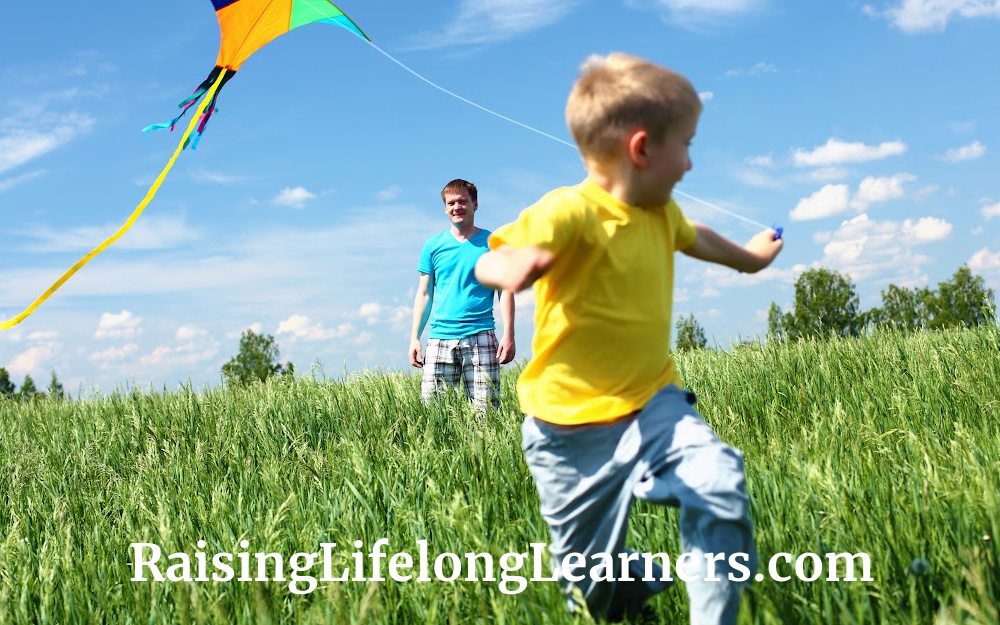
Fun doesn’t just bring smiles for a moment—it’s a critical ingredient in building the kind of trust and emotional safety that helps kids (and their parents) thrive. Whether your family homeschools year-round, takes summers off, or falls somewhere in between, letting go of guilt around fun and seizing those low-pressure, shared-joy moments is one of the most productive things you can do.
How Fun Fuels Learning (and Regulation, and Resilience…)
Burnout threatens all of us, kids and parents alike. When days are nothing but shoulds and have-tos, kids can check out. Especially for those with ADHD, anxiety, autism, or other neurodivergences, the strain of relentless performance can push them to the brink.
But laughter? It does what no worksheet ever could.
Having fun as a family boosts oxytocin (the “connection” chemical), lowers stress hormones, and builds the kind of trust that lets kids open up—sometimes in the most unexpected ways. A walk in the park might yield the story of a day’s adventure. Sitting together over a board game might be the only time your tween lets walls down and shares what’s on their mind.
Fun isn’t the detour from academics. It’s the on-ramp. When your home life has a rhythm of shared joy—be it jokes, storytelling, creative projects, or plain old goofiness—kids will learn more, retain more, and be more interested in tackling new challenges.
What Does Low-Pressure Fun Actually Look Like?
We can talk all day about the theory—but what about the reality? Yes, family fun can be a big, unforgettable road trip, but it can also be a messy, last-minute dash to help your youngest turn a battered old homeschool table into a stop-motion studio using foam boards and lights snagged from a closet.
That day won’t look impressive on paper, but to your child, it might feel like the best day ever. No fancy planning, no elaborate Pinterest setups—just willingness to be present and say, “let’s try it your way.”
Small moments matter. Sometimes, all kids need is for you to be a part of their world. Maybe you’re not filming the stop-motion movie with them, but you’re helping them set the scene—showing them you see and value what they care about.
Some more simple ideas:
- Family joke challenges—try to out-groan each other with the silliest puns.
- Cooperative board games after lunch or on a rainy afternoon.
- Dance parties in the living room to mark a completed project or for no reason at all.
- Sidewalk chalk obstacle courses.
- Movie nights with popcorn.
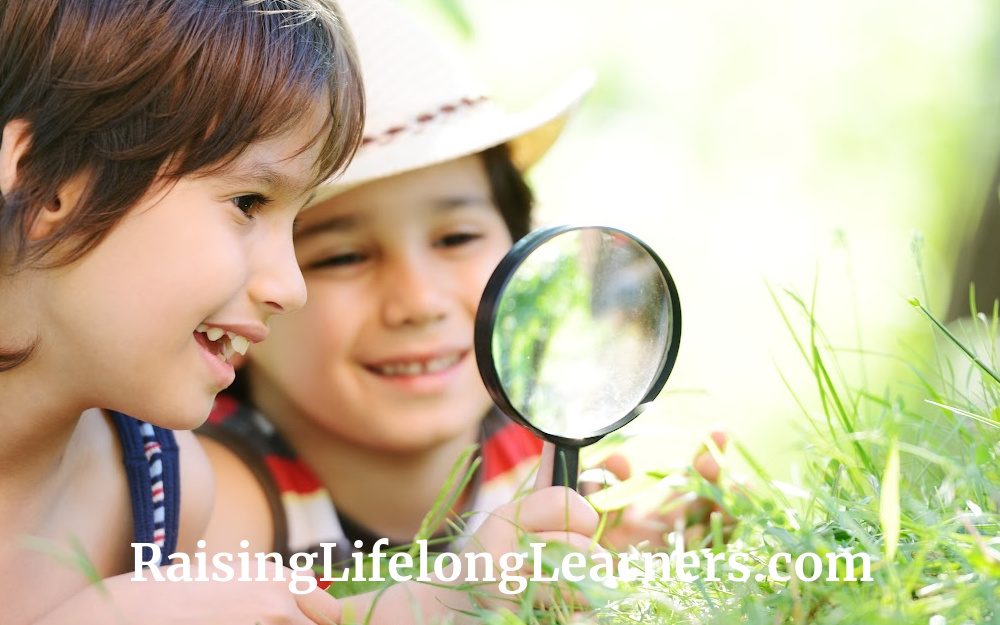
- Nature scavenger hunts that sneak in observation and sensory play.
- Staycation weekends, complete with themed crafts or bake-offs.
It doesn’t need to be overwhelming. It doesn’t even need to take over your whole day. Just make shared joy part of your family’s rhythm.
You might like: Activities to Strengthen Your Family Team
Fun Helps Us All—Even When Life Gets Hard
There will always be things that threaten to steal joy: work schedules, household responsibilities, curriculum worries, and that ever-present voice insisting you’re not “doing enough.”
Here’s something to remember: Kids notice how we approach adulthood. If we only show them stressed-out, burnt-out versions of ourselves, it’s harder for them to picture joyful adulthood for themselves.
By leaning into fun—even when it means ignoring the dishes or pushing bedtime later for a backyard firefly hunt—you’re modeling what it looks like to truly enjoy your children, to embrace imperfection, and to choose connection over anxiety.
When kids see this—see you enjoying being a parent, and see themselves as valued and fun to be around—they’ll carry that sense of security long past the carefree days of summer. They’ll come home from college and want to spend time with you. They’ll look to you not just as the enforcer of chores and checklists but as a safe, welcoming space.
Making Fun Practical (Even When You’re Busy)
Life gets busy. You won’t always have hours to devote to freeform play or spontaneous adventures. But you can make fun a habit, not a holiday.
Practical tips:
- Build mini-challenges into your week (like a family trivia night, or a reading-aloud session with everyone using silly voices).
- If you’re slammed for time, tie fun to existing routines: play a board game during a family meal, or tell a funny story on the way to an activity.
- Let your kids’ interests lead—whether it’s setting up a movie night around a favorite book series or learning stop-motion techniques together.
- Recognize that small moments—helping with a creative project, listening to their ideas, trying a new board game—count just as much as big outings.
Above all, give yourself permission to put fun first. You’ll notice more creativity, more communication, and a shift in your family’s dynamic.
Connection Over Correction
At the end of the day, perfection isn’t the goal. The best lesson kids can learn is that life—real, messy, ordinary life—is meant to be enjoyed.
When you choose connection over correction, especially during the unstructured days of summer, you’re setting the foundation for lifelong learning, resilience, and strong family bonds.
So here’s the invitation: Make a little room for fun today, and watch how everything else—learning, trust, growth, and joy—begins to follow. Even if nothing else gets done, you’ll have given your kids (and yourself) the very best summer of all.
You are—and always have been—the expert on your children. Trust yourself, and trust the magic you make together.
And remember, when in doubt: have fun. The rest will come.
RLL #284: Creative Summer Activities to Strengthen Family Connection and Boost Learning
Summer is here, and with it comes the perfect chance to hit pause on the box-checking frenzy and really connect with our kids. In this week’s episode of the podcast, we dive into one of my favorite topics: creating joyful, low-pressure family memories (without overloading your plate—or your calendar).
Why Fun Matters (Even for Year-Round Homeschoolers!) Remember, while academics are important, authentic connection is the real foundation for lifelong learning. When we prioritize laughter, conversation, and shared experiences, our kids build trust, emotional safety, and a love for learning. Fun isn’t an interruption—it’s the heart of education, especially for neurodivergent kids who thrive when joy is woven into their days.
Here are some highlights and takeaways:
- Release the Guilt—Fun is Productive It’s easy to feel guilty when we haven’t checked enough boxes or finished the curriculum. But as Colleen says: “Fun is productive, especially for 2e, ADHD, anxious, or autistic learners. It helps them regulate and sparks creative thinking.” And it’s the simple, everyday moments—late-night talks, silly dance parties, or sharing a new hobby—that kids remember most.
- Let’s Model Joyful Adulthood Our kids look to us as their prime example of what adulthood—and parenthood—should feel like. Let’s show them that happiness, connection, and fulfillment are as valuable as diligence. Prioritizing fun and togetherness, especially during these summer months, sets a positive tone for the school year ahead—and for life.
- Want More Support & Ideas? If you need inspiration—or a community of other outside-the-box families—the Learner’s Lab is full of monthly themes, connection challenges, live clubs (hello, Doodle + Lego Club!), and coaching calls. There’s a whole archive of fun waiting for you whenever you want to jump in.
How will you make FUN part of your family’s summer?
Links and Resources from Today’s Episode
Our sponsor for today’s episode is CTC Math
- The Homeschool Advantage: A Child-Focused Approach to Raising Lifelong Learners
- The Homeschool Advantage: A Child-Focused Approach to Raising Lifelong Learners Audiobook
- Raising Lifelong Learners Membership Community – The Learners Lab
- Raising Resilient Sons by Colleen Kessler, M.Ed.
- The Anxiety Toolkit
- The Importance Of Play For Your Entire Family
- A Different Kind Of Family Togetherness: Ideas and Encouragement For Connecting With Our Kids
- RLL #76: Creating the Adventurous Family with Rachel Rainbolt
- A Week of Epic Backyard Nature Science Fun | Summer Camp at Home
- Family Night Game Guide
- Summer Activities for Kids
- Outdoor Sun Prints: Summer Science for Kids
- Sneaking In Summer Learning
- Navigating Summer Learning With Gifted And Twice Exceptional Kids
- A Week of Epic Backyard Nature Science Fun | Summer Camp at Home
Leave a Rating or Review
Doing so helps me get the word out about the podcast. iTunes bases their search results on positive ratings, so it really does help — and it’s easy!
-
-
-
- Click THIS link to go to the podcast main page.
- Click on View in iTunes under the podcast cover artwork.
- Once your iTunes has launched and you are on the podcast page, click on Ratings and Review under the podcast name. There you can leave either or both! Thanks so much.
-
Want to record your own question, comment, or have your kids tell us what they LOVE to learn about? Click below and start recording!
-
