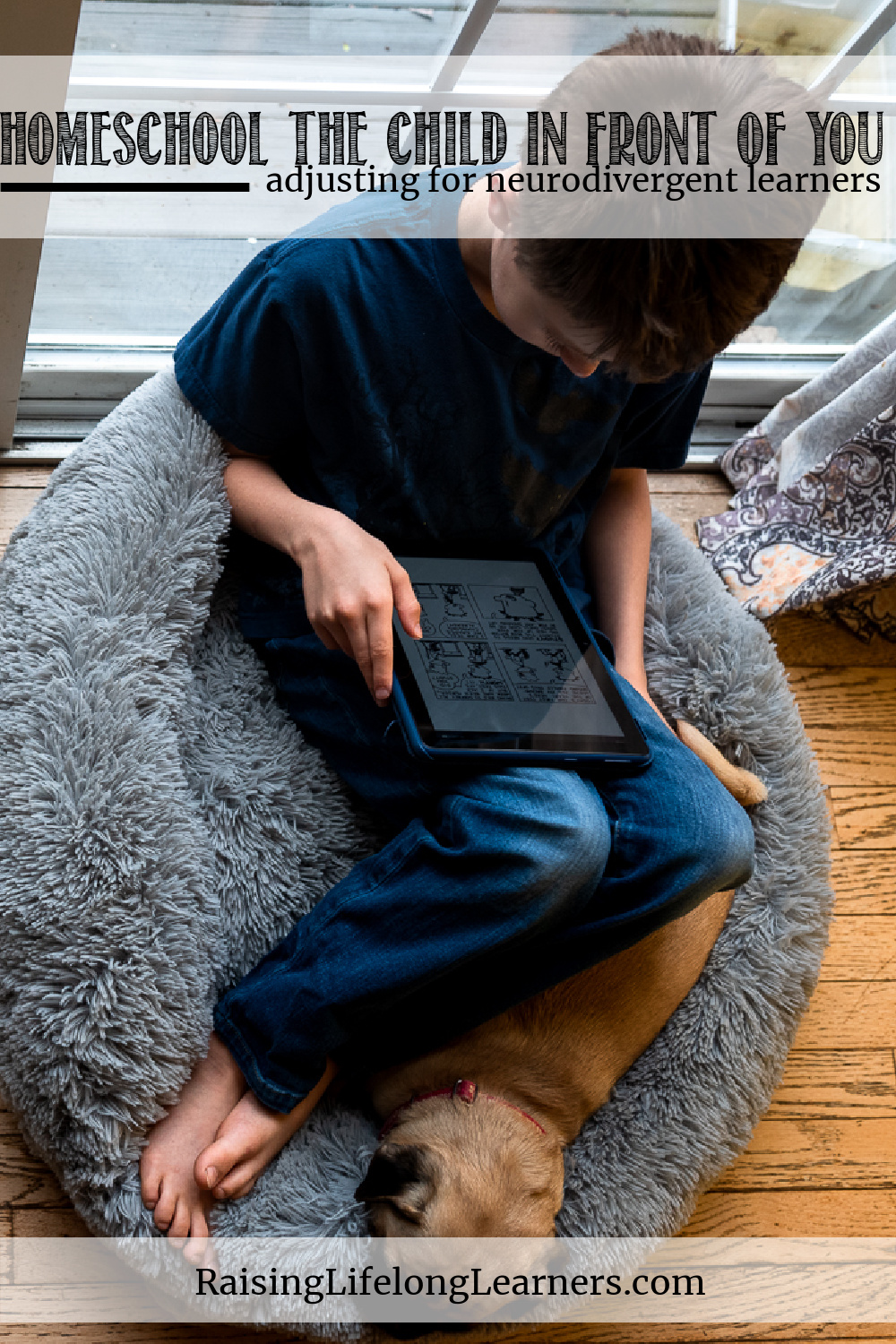

Homeschool the Child in Front of You: Adjusting for Neurodivergent Learners
The promise of a new school year can fill us with hope—new curriculum, sharpened pencils, detailed schedules, and all the Instagram-perfect plans for our homeschool days. But it doesn’t take long for the reality of actual, real-life kids—messy, complex, differently wired children—to barge in and shatter that vision. If you find yourself staring at the faces of your neurodivergent, gifted, anxious, stubborn, or just plain human kids in September wondering where it all went wrong, you’re not alone.
That Hypothetical Homeschool Kid
We all make plans for the child we wish we had, or the one who existed last year, or the one who, if we’re honest, exists only on our Pinterest boards. You know the one: excited for every subject, agreeable with whatever curriculum you dreamed up over the summer, flexible, calm, never melting down over math review or chafing under a new routine. But that is not the child who shows up at the kitchen table. Instead, we get kids who surprise us with new quirks, unexpected needs, and old challenges surfacing in new ways.
It’s easy to think: What am I doing wrong? Maybe it’s time for a new curriculum. Maybe we need tighter schedules or more consequences. Maybe, just maybe, we’re failing these kids.
But the truth is, there’s nothing wrong with you, and there’s nothing wrong with your kids. The kids in front of you are real and evolving. The homeschool plan should adapt to them, not the other way around.
Seeing The Child in Front of You
What if, instead of starting the year with plans, schedules, or expectations guided by requirements, curriculum, or social media, we began with the actual child sitting with us?
Our kids—whether they are neurodivergent, gifted, twice-exceptional, dealing with anxiety, ADHD, OCD, sensory processing issues, or any other learning difference—do not fit a hypothetical mold. Every August, those real kids show up, and every time we try to plug them into a generic plan, chaos ensues.
Instead, consider: What does this child, right here, need? What is going to help them thrive?
This doesn’t mean disregarding state laws or ignoring important academic goals. It means letting requirements and curriculum serve the individual, not dictate their life.
When Prior Years Don’t Fit
One of the traps homeschooling parents fall into is expecting this year’s child to be last year’s. Kids change. Their needs, abilities, challenges, and interests shift—sometimes slowly, sometimes overnight. The child who struggled with reading last year may have devoured a pile of novels over the summer but forgotten basic multiplication. The one who was clingy yesterday may be pushing for independence today.
If we lug last year’s assumptions into this year, we end up with a plan that leaves us—and our kids—frustrated. It’s humbling and a little scary, but the only thing we can expect is that things will change.
Designing Homeschool For Your Unique Child
It’s freeing to acknowledge: curriculum, co-ops, outside classes, and project ideas are just tools. Some fit better than others, and you’re allowed to walk away from what isn’t working. The luster of a pricey new math program or the excitement of joining a highly recommended co-op can fade quickly if it drains your child’s energy, causes friction, or simply doesn’t fit.
Maybe your student thrived with a structured checklist last year but recoils from it now. Maybe morning baskets are a beautiful idea in theory, but reality is a pile of groans and resistance every morning. It’s okay to pivot.
You may like: When Curriculum Fails Our Neurodivergent Kids (And What to Do Instead)
Real Kids Aren’t Static
Children grow, change, and evolve—and so should your homeschool. You aren’t doing something wrong if you need to change your methods with each passing season or year. What worked perfectly for your family last fall may be a complete miss today. That’s not failure. That’s good parenting.
One of the greatest gifts you can give your child is to model flexibility: the ability to notice when something isn’t working, try a new approach, and show resilience when plans change.
The Power of Observation
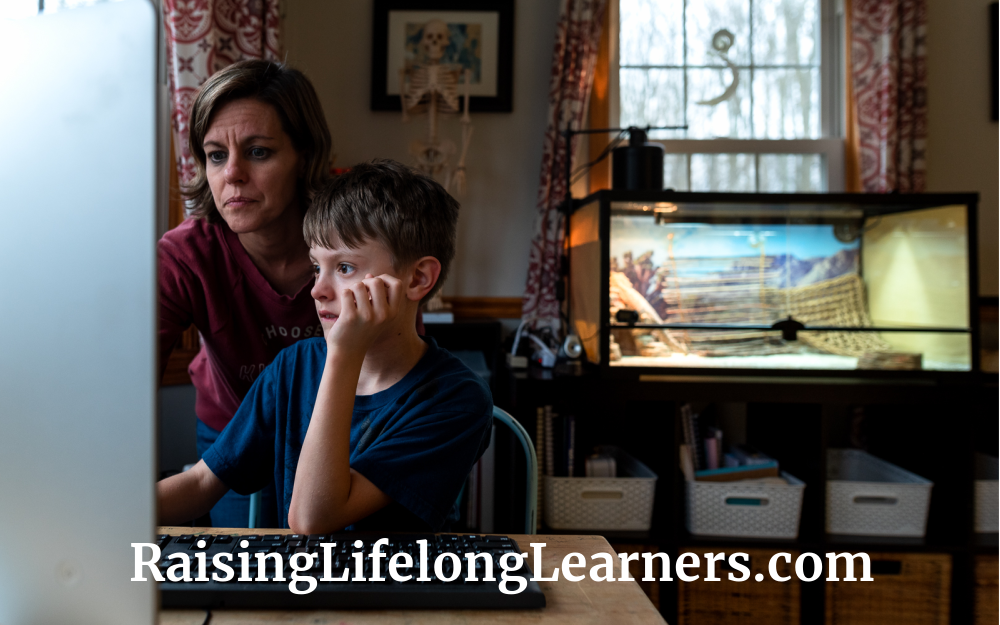
Before making another plan, stop and watch. Really observe your kids. What makes them light up? What drains them? What is consistently a source of friction? Where are they seeking more independence, and where do they still genuinely need support?
Treat yourself like a detective gathering clues:
- What topics do they dive into without prompting? What can they talk about for hours? What makes them lose track of time?
- What tasks consistently drain them of energy or spark resistance? Is it writing, noise, transitions, too much structure, too little structure?
- When do meltdowns or arguments show up? Is it morning, after lunch, when asked to transition, during math?
- Where are they pushing for more autonomy? Are they ready to make choices about their books, their schedule, or how they learn?
- Where do they still need your help? Maybe they’re able to discuss advanced science but can’t organize a multi-step assignment.
Neurodivergent kids are often asynchronous. Your deeply philosophical 12-year-old still might need you to sit next to him to organize his math notebook. That’s not a contradiction—it’s just who he is.
Resistance Isn’t Always Rebellion
When our kids push back, it’s not always defiance. Resistance can be information—an indicator of transition struggles, perfectionism, anxiety, task initiation challenges, unrecognized learning differences, or simply missing supports.
Instead of asking, “How can I make my kid comply?”, ask, “What’s actually going on?” Sometimes, what looks like laziness is actually being overwhelmed. What we interpret as stubbornness may be a need for more structure, or less. Observing before judging makes us better guides.
When Homeschool Has Been Hard
Some years are just tough, and sometimes the wounds from those years don’t heal overnight. Maybe your kids are coming home after negative school experiences. Maybe your family has been rocked by a crisis or a new diagnosis. Maybe everyone just needs to take a breath.
You don’t have to prove homeschooling was “the right choice” in the first week—or even the first month. Sometimes, the most important thing to rebuild is your child’s trust in themselves as a learner or your relationship as parent and teacher.
Give yourself—and your child—room to recover. The academics will come, but connection is the foundation.
The Real Work: Connection Over Compliance
The most successful homeschools aren’t the ones with the fanciest curriculum or the most color-coordinated planners. They’re the ones rooted in connection and trust. When you focus on connection, frustration decreases, communication opens up, and learning follows naturally.
Put your energy into truly seeing your child, collaborating as a team, and building a relationship where they know you’re in their corner. That’s where the magic happens.
You might like: The Best Advice I Can Give You: Become A Student Of Your Child
One Small Change
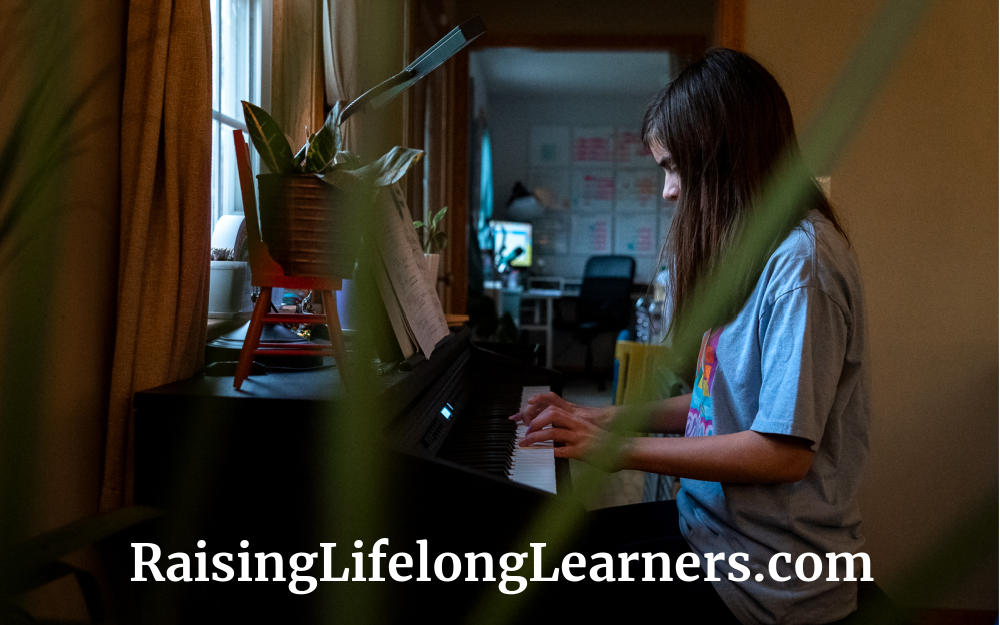
If all of this feels overwhelming, start small. Look at your child and pick one thing to change—one area where you can shift your approach to better meet them where they are. Maybe you let go of a draining curriculum. Maybe you swap a group activity for one-on-one time. Maybe you allow extra flexibility as everyone readjusts.
Choose one change that honors your child’s individuality, and build from there. That’s the path to a resilient, thriving, lifelong learner.
RLL #324: Homeschool the Child in Front of You: Adjusting for Neurodivergent Learners
In this episode we explore the reality of starting a new homeschool year, especially when things don’t go as planned. We all set out with big dreams and carefully constructed plans, but when our real, neurodivergent kids show up—with their unique strengths, challenges, and sometimes unexpected needs—it’s easy to feel overwhelmed or question ourselves.
Listen for actionable reflection questions, permission to pivot your plans, and a reminder that every year is a fresh opportunity to meet your kids where they are and help them grow into the amazing people they’re meant to be.
Key Takeaways
- Start with the Child You Have: Observe your child’s real needs and interests—not your ideal of what homeschooling “should” look like.
- Ditch What Doesn’t Work: Don’t be afraid to drop curriculum, routines, or activities that create friction or don’t fit your child’s current stage.
- Celebrate Asynchrony: Embrace uneven growth—kids may excel in some areas and need extra support in others, and that’s normal.
- Connection Comes First: Prioritize strengthening your relationship and trust with your child—learning follows where connection is strong.
- Small Changes, Big Impact: Focus on just one meaningful adjustment at a time for positive momentum and less overwhelm.
Links and Resources from Today’s Episode
Thank you to our sponsors:
CTC Math – Flexible, affordable math for the whole family!
The Learner’s Lab – Online community for families homeschooling outside-the-box learners!
- The Lab: An Online Community for Families Homeschooling Neurodivergent Kiddos
- The Homeschool Advantage: A Child-Focused Approach to Raising Lifelong Learners
- Raising Resilient Sons: A Boy Mom’s Guide to Building a Strong, Confident, and Emotionally Intelligent Family
- The Anxiety Toolkit
- Sensory Strategy Toolkit | Quick Regulation Activities for Home
- Affirmation Cards for Anxious Kids
- Homeschool Curriculum for Your Asynchronous Gifted Learner
- Our Gifted Homeschool Curriculum For Multiple Grade Levels: 2021-2022
- Homeschooling Middle School Using Your Own Interest-Based Curriculum
- Building Our Own Curriculum – Why it’s Easier Than Buying Boxed
- Our Gifted Homeschool | Curriculum for Pre-K, 1st, 4th, and 8th Grades
- Homeschool Curriculum Choices for 2015-2016
- Homeschool Curriculum Choices
- Creating Your Own Interest-Based Middle School Curriculum
- A Family-Friendly Homeschool Art Curriculum
- Our Homeschool Curriculum
- Our Curriculum Choices for 2012-2013
Remember: The child in front of you is the only one who matters right now. Build your year for them, not for an imaginary ideal. Let connection and curiosity lead, and trust that the rest will fall into place.