
Reimagining Homeschool: How to Foster Connection and Individual Growth for Every Child
You bravely pulled your child out of school, determined to give them the fresh start they need – only to find yourself recreating the same classroom experience at your own kitchen table. It’s so natural to fall back on the familiar: the desks, the schedules, the pile of workbooks. But what if doing more of what didn’t work is the very thing holding your family back? What if real learning can only begin once you break free from the school-shaped mold?
Why We Instinctively Recreate School at Home
We all know the drill. You pull your child out – maybe after a rough year, maybe because school was never the right fit – and what’s waiting in your mind are rows of desks, scheduled subjects, and a fear of “falling behind.” It’s the system we grew up with, the one most parents and even educators default to when they feel anxious. The structure of a school day, the assurance of finished workbooks, the pressure to keep up with some imagined standard… it feels safe in the chaos of trying something new.
But the truth? Replicating school at home rarely works – especially for the kids who needed something different in the first place.
The Pain of Doing School at Home
Most of us have tried it: assigning workbooks, following set schedules, and ticking boxes from September through May. And for many families, it ended in frustration, conflict, and outright meltdowns. If the system wasn’t working before, bringing it home just piles on more anxiety for kids who have already been hurt by it. The cycle of worksheets, grades, assessments, and constant correction doesn’t repair wounds; it often just deepens them.
When kids are already struggling – whether from anxiety, learning differences, or the aftermath of bullying – they don’t need a new classroom. They need a new story.
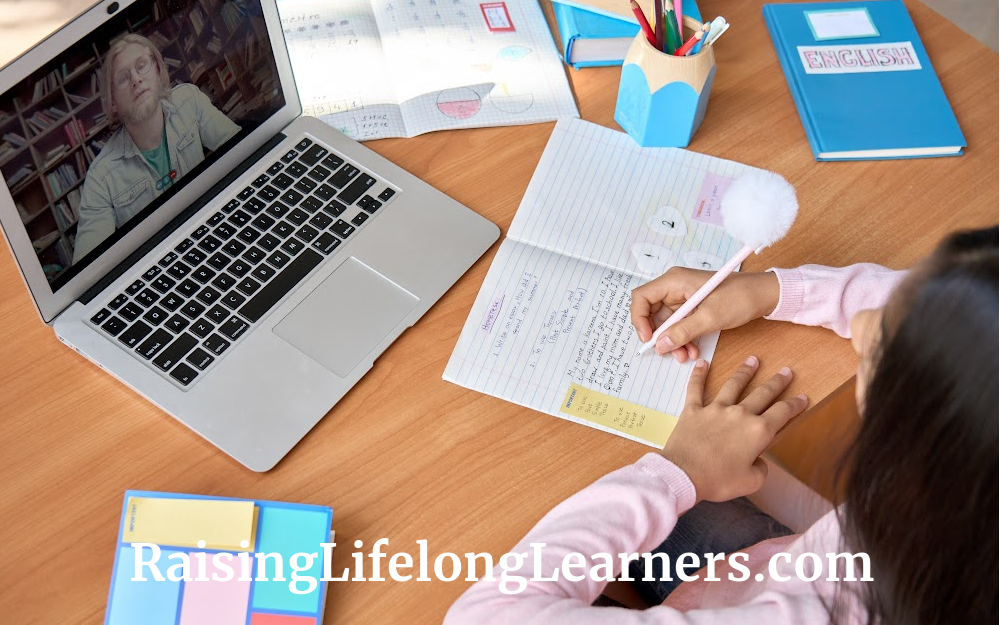
You might like: Confidently Planning Your Homeschool Year: Tools, Tips, and Real-Life Strategies
The Value of Deschooling
Before you can heal a child’s view on learning, you often have to step away from formal schooling altogether. This is where deschooling comes in – a crucial (and often overlooked) period of nervous system reset. Deschooling is not educational neglect. Instead, it’s an intentional pause. It’s time for your child’s mind and heart to remember that learning can feel safe, joyful, and even exhilarating.
- Take trips. Explore parks, museums, or exhibits freely.
- Read together, side by side, or listen to audiobooks.
- Let curiosity lead the way. If storm chasing, coding, or reptiles spark interest, dive in!
- Bake bread, build models, spend afternoons outdoors.
Sometimes the most powerful learning is almost invisible: a child asking to know more, picking up a book by choice, or just smiling through an afternoon of unstructured discovery. With time, engagement blossoms – and formal academics find their way back in, this time supported by trust and connection.
The Myth of “Falling Behind”
If panic about “falling behind” haunts you, here’s a liberating truth: Behind what? Every school system sets its own priorities, covers content at its own pace, and even within buildings there are differences by classroom or grade. Every graduate – public, private, or homeschooled – leaves with gaps somewhere.
For kids who struggled in school, trying to catch up to a system that wasn’t working for them in the first place just replicates the original problem.
What matters is progress. What matters is movement forward – at your child’s unique pace, according to their strengths, needs, and real goals. The only “behind” that should concern you is when a child gives up on loving to learn. Everything else is just noise.
Understanding Asynchronous Learners
Many neurodivergent and gifted kiddos are fundamentally asynchronous – intensely advanced in some areas, needing support in others, and emotionally younger than their age peers. That can mean having a 10-year-old who discusses quantum physics, writes at a second-grade level, plays with preschoolers, and melts down like a five-year-old. There is no grade or timeline that fits for these kids. Instead of aiming for mythic “grade level,” focus on the child in front of you:
- What are they excited about?
- Where are their skills strong?
- Where do they need extra support?
- How can you move them forward just a little each day?
Progress isn’t linear – and the most important learning isn’t always measurable on a standardized timeline.
Ditch Curriculum as the Boss
Curriculum isn’t your boss. It’s a tool, no more, no less. Most are designed for an imaginary “average” student that likely doesn’t match the real human sitting at your kitchen table. Here’s permission – and encouragement – to adjust anything and everything:
- Mastery after 10 problems? Skip the rest!
- Struggle with handwriting? Try dictation, typing, or speech-to-text.
- Can they explain a concept, but not write about it? Let them present, build, or record a video.
- Too easy? Compact the curriculum. Skip ahead, pretest, go deeper.
- Too tough? Slow down, scaffold, back up to build foundational skills.
It isn’t the workbook or lesson plans that teach your child. It’s the way you use them to meet the needs – and leverage the strengths – of the child in front of you.
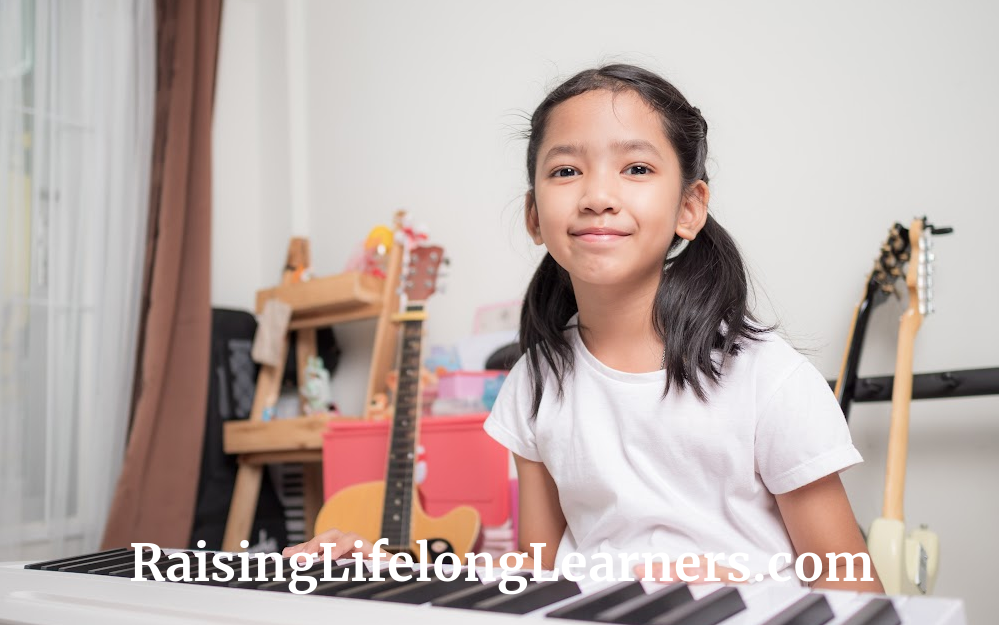
You might like: Project-Based Learning for Neurodivergent Kids: Why It Works
Celebrate Different Ways of Learning
What if real learning could look like:
- Days exploring a different park or trail each week
- Game schooling with math, critical thinking, and vocabulary games
- Projects on dinosaurs, robots, coding, or the history of chocolate
- Raising chickens, insects, or lizards at home – or studying weather by storm-chasing
- Cooking family recipes, starting a mini-business, designing a video game
- Pursuing community college classes as a high-schooler
Learning isn’t limited to worksheets, textbooks, or 9:00-3:00 routines. Some kids thrive with structure and predictability, others bloom in creative chaos. The point isn’t to eliminate routines (structure can be life-giving for some neurodivergent learners). The trick is to find the right structure – the one that helps your unique child flourish.
Connection Over Compliance
If finishing every page of every workbook means nine months of tears, nagging, and conflict, what have you really achieved? No academic gain is worth the cost of relationship. When connection is prioritized, learning follows.
Ask yourself regularly:
- What does my child need this year?
- What strengths should we build on?
- What support will help them most?
- What sparks their curiosity?
- What routines or structures support our family’s health and happiness?
- What do I want our relationship to feel like at the end of this year?
When you start with the human being in front of you, you’ll find the path to both academic growth and family harmony.
Give Yourself Permission to Adjust
You don’t have to do everything at once, and you certainly don’t have to throw everything away. Sometimes you just need permission – or a handful of practical ideas – to make tiny shifts that unlock your child’s potential. Pretesting, skipping sections, using audiobooks, allowing alternative demonstrations of mastery, integrating interests into core subjects… all of these are valid. There is no one right way, except for the way that works for your family and your child.
You Are the Best Teacher for Your Child
You know your child better than anyone, even if the journey sometimes feels uncertain. You are the perfect parent – and the perfect teacher – for your kids, whether you’re a veteran homeschooler or just starting out. Prioritize relationship, set goals that reflect your actual children, and don’t be afraid to do things differently.
You’ve already made the courageous decision to step out of the system that wasn’t working. The next step? Trust yourself, trust your child, and build the homeschool that helps them thrive as the one-of-a-kind learner (and human!) they are.
You’ve got this. And your kids will too.
RLL #326: Reimagining Homeschool: How to Foster Connection and Individual Growth for Every Child
This week on the podcast, Colleen dives into why your homeschool shouldn’t look like traditional school—and how embracing your child’s unique needs, interests, and learning style is the key to raising confident, capable learners!
Discover practical tips for deschooling, personalizing curriculum, balancing structure, and building connection with your differently wired kiddos. Let’s reimagine what learning at home can be!
Key Takeaways:
- School Doesn’t Have to Look Like School: Break free from the urge to recreate traditional classrooms at home—it’s okay for homeschooling to look totally different.
- Start With Your Child: Focus on your kid’s unique strengths, interests, and needs, not a one-size-fits-all curriculum.
- Connection Fuels Learning: Strong relationships and emotional safety lay the foundation for everything—academics and connection aren’t at odds.
- Deschool to Heal: Give kids time to recover and rediscover the joy of learning, especially if school was a negative experience.
- Adapt Everything: Curriculum is just a tool—don’t be afraid to modify, skip, scaffold, or game-ify content to fit your child right now.
Links and Resources from Today’s Episode
Thank you to our sponsors:
CTC Math – Flexible, affordable math for the whole family!
The Learner’s Lab – Online community for families homeschooling outside-the-box learners!
- The Lab: An Online Community for Parents Homeschooling Neurodivergent Kiddos
- The Homeschool Advantage: A Child-Focused Approach to Raising Lifelong Learners
- Raising Resilient Sons: A Boy Mom’s Guide to Building a Strong, Confident, and Emotionally Intelligent Family
- The Anxiety Toolkit
- Sensory Strategy Toolkit | Quick Regulation Activities for Home
- Affirmation Cards for Anxious Kids
- Executive Function Hacks eBook
- Meeting the Asynchronous Needs of Your Gifted Child
- Understanding Asynchrony in Gifted Children
- Homeschool Curriculum for Your Asynchronous Gifted Learner
- RLL #77: Asynchronous Development in Gifted Children
- RLL 24: Asynchrony, Intensity, and Motivation | A Listener Question
- Homeschooling Gifted Children | Meeting Asynchronous Abilities
- Asynchronous Development in Gifted Children
- Executive Function Hacks: Getting Neurodivergent Kids Moving in Homeschool Settings
- Homeschool the Child in Front of You: Adjusting for Neurodivergent Learners