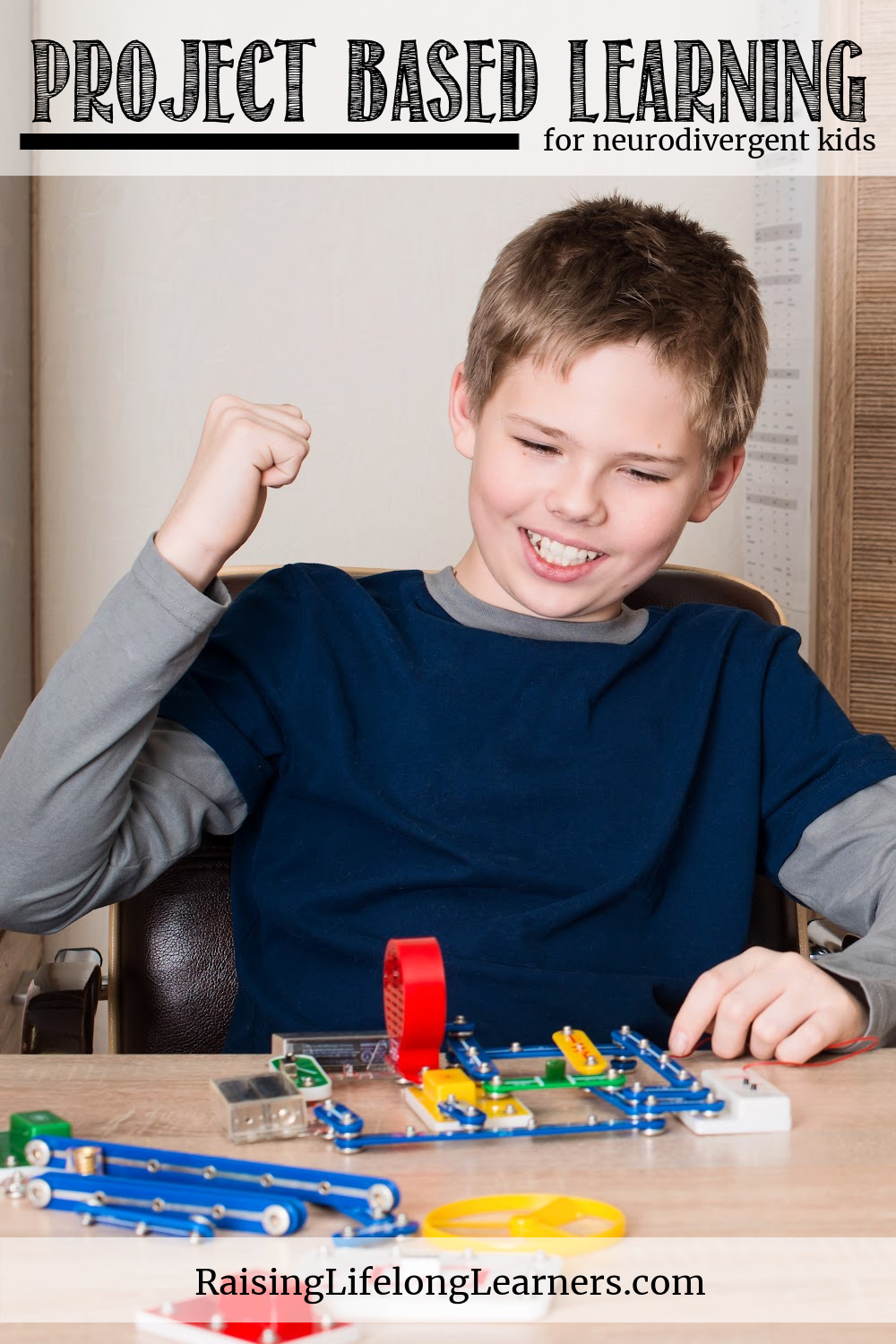

Project-Based Learning for Neurodivergent Kids: Why It Works
The phrase “project-based learning” might conjure up images of color-coordinated folders, trifold posters exploding with glitter glue, and Pinterest-worthy perfection. But for the neurodivergent kids—those asynchronous thinkers brimming with ideas and creativity, yet often struggling to bring projects to completion—real project-based learning looks very different. It can be beautiful, yes, but not in the ways you may expect. And for many families homeschooling quirky, gifted, or twice-exceptional kids, this approach can be a total game changer—if you know how to pull it off without losing your mind.
Let’s talk about what genuine, child-centered project-based learning actually is, why it’s especially magical for neurodivergent learners, and practical ways you can help your children start (and finish!) meaningful projects—without turning your home into a full-time test center or burning out before you ever get to the finish line.
When Your Kid Explains Black Holes but Can’t Find Their Shoes
Imagine a child who can spend forty minutes monologuing about the physics of black holes, but can’t find their shoes. Or a child who designs entire civilizations in their mind, yet gets lost in the steps to tidy their own room. Maybe your child builds complex Minecraft worlds, but falls apart at a simple writing assignment, or has the creativity for 100 ideas but the executive function to complete none.
This is the reality of raising asynchronous learners—kids with abilities that leap far ahead in some areas, but lag in others. It’s incredibly common among gifted, twice-exceptional, autistic, or ADHD children. Traditional educational models struggle with this “unevenness,” expecting simultaneous development in all areas. Neurodivergent brains, however, don’t play by those rules.
Why Project-Based Learning Fits Neurodivergent Kids So Well
Project-based learning can create the ideal environment for these out-of-the-box thinkers. Projects provide meaning, autonomy, novelty, and connection—a combination that fuels engagement and helps combine strengths and challenges into authentic learning.
Traditional “piecemeal” approaches (“now we do math,” “now we do writing”) can frustrate a child whose brain doesn’t segment neat boxes. But with projects, everything is woven together: writing becomes part of building, science connects with storytelling, and curiosity leads the way. Suddenly, even reluctant writers are jotting down plans for their next invention—not because “it’s time for writing,” but because it unlocks the next piece of their passion.
Projects can reduce friction, too: less resistance, less perfectionism-driven avoidance, less battling over meaningless assignments. When learning feels purposeful, even the kids who say, “Why do I even need this?” start to see the value.
You might like: Project Based Learning And Your Gifted Child: A Guide For Parents
The Pitfalls: When Projects Turn Into Parent Burnout
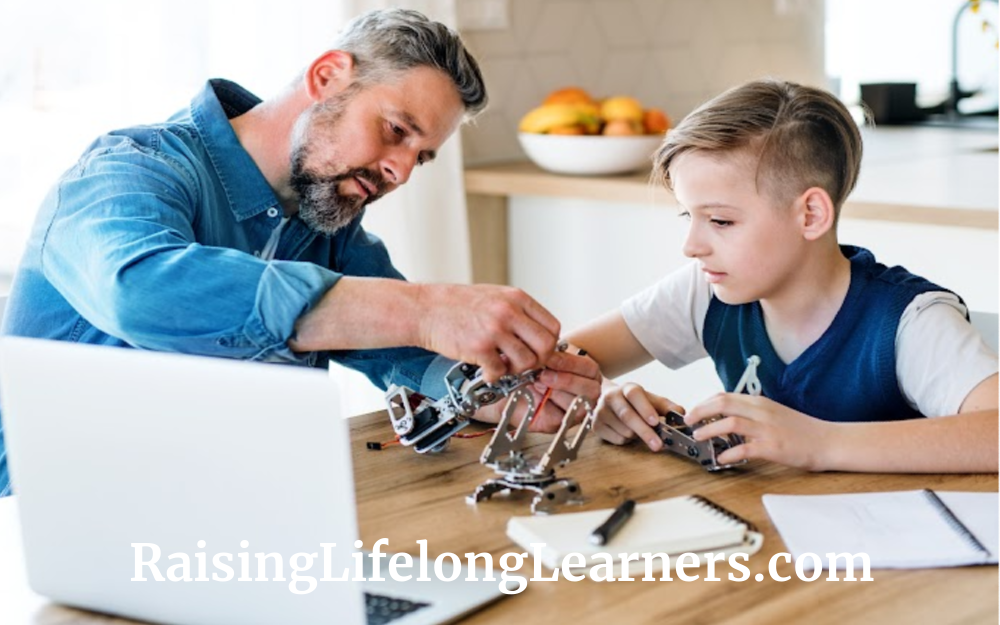
Still, project-based learning isn’t always magic out of the box. Projects can balloon into monsters—too vague, too massive, or too parent-intensive—leaving both you and your child exhausted and discouraged. Kids may lose steam, get overwhelmed by their own creativity, or simply get stuck midway through.
There’s nothing like pouring your energy (and your child’s) into an elaborate project only to realize, partway in, that the scope was too big, the work too ambiguous, or the pay-off unclear. Sometimes you wonder if you’ve made the project for your child, instead of with them.
So how do we sidestep the overwhelm, maintain momentum, and help our quirky learners get to that all-important finish line?
Boundaries, Scope, and Visible Finish Lines
Neurodivergent kids thrive with clear boundaries and visible finish lines. “Scope” simply means: what does “done” actually look like? Without that, even the most enthusiastic project quickly grinds to a halt.
It’s not enough to say “clean your room” or “build a Minecraft civilization.” The infinite nature of tasks like these can be paralyzing. Instead, break it down:
- What counts as “done”? (Is it clearing every surface, building one biome, writing three slides, or just completing a rough draft?)
- Can it be chunked into smaller, winnable steps?
- What’s the reward or pay-off—and is it clear and tangible?
Think about managing a bedroom reorganization project—a classic blend of motivation and meltdown potential. The visible finish line became not “get your room perfect,” but rather, “clear this surface, put away these Legos, vacuum this space.” And when progress stalled, it took breaking a literal barrier (a closet door lying in the way) to unlock the final burst of motivation. Sometimes, the biggest obstacle isn’t lack of effort, but something concrete you can clear away together.
Chunk It Down, Celebrate Small Successes
Small versions of big ideas are the secret sauce. Reframe ambitious statements (“I want to build a civilization in Minecraft!”) with gentle guidance toward “What’s the smallest version we can try first?” Start small and let momentum build.
The key steps?
- Start with the smallest version that’s still meaningful.
- Define “done” right away, so there’s no guessing game.
- Plan for energy, not just time. There will be days of hyperfocus and days of avoidance. Honor that natural ebb and flow; don’t expect linear, daily progress.
- Use checkpoints. Identify small milestones (brainstorming, gathering materials, a rough draft, sharing progress) and celebrate each as its own win.
These baby steps matter. They not only keep the project moving, but also build confidence and resilience. Completion doesn’t mean “Pinterest perfect”—it means letting your child feel proud, show off what they’ve done, and want to do more.
What If the Project Stalls (And It Will)?
Here’s the reality — not every project will roar to a perfect conclusion. Sometimes kids lose interest, hit executive function walls, or feel perfectionism lurking. Projects may need to pause, be pivoted, or downsized.
If (when) this happens, ask:
- What’s feeling hard?
- What’s the next tiniest step?
- Do we need to shrink expectations, or just take a break?
Finishing isn’t about being flawless—it’s about building confidence and giving your child the experience that they can finish things, even if it looks different than you first imagined.
Documenting Learning (Without Losing the Joy)
This all is not to say there’s no stress around how to “prove learning” for portfolios or state requirements, especially when projects are messy, intangible, or not easily assessed. There’s always stress and doubt involved when parenting and homeschooling your kiddos. The good news? You don’t need anything elaborate:
- Snap photos of creations, builds, inventions, or displays.
- Save quick voice notes or transcribe your child’s reflections.
- Capture short videos of your child explaining their process.
- Collect drawings, sketches, and models.
- Keep the evidence of growth, not just finished, polished products.
Documentation should support learning, not become the project itself. If it interrupts the flow, it’s time to rethink the approach.
You might like: RLL #101: Project-Based Learning with Cindy West
Redefining Success
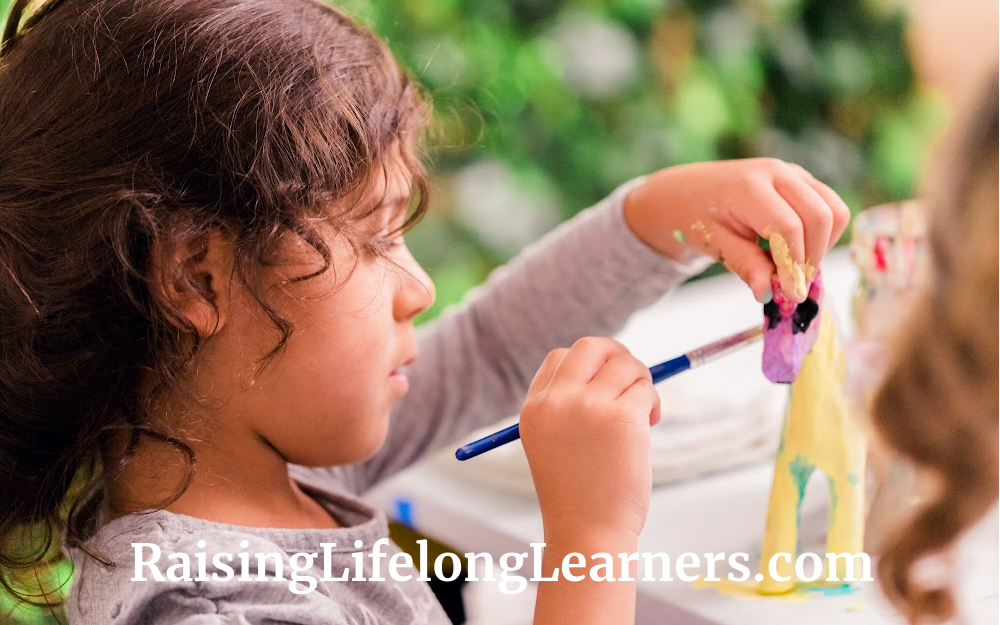
Success in project-based learning isn’t a glittering end product, a stacks of worksheets, or a perfect poster. The real goal is engagement—seeing your child’s curiosity spark, watching them persist, helping them bounce back after mistake, and nurturing their self-confidence as a learner.
A life of project-based learning isn’t about producing productivity machines; it’s about helping kids build ideas, solve problems, and grow into confident explorers of their world—on their terms, at their pace, with their blend of strengths and quirks.
Getting Started
If you’re itching for inspiration, you don’t have to start from scratch. There are tons of unit study outlines and resources (not full-blown curricula, but idea “sparkers” and frameworks) that can help your family dive into meaningful projects without being overwhelmed. Look for materials that guide without dictating, leave space for your child’s passion, and offer just enough scaffolding to get started—without squashing creativity.
The Bottom Line
Neurodivergent and asynchronous kids don’t fit neatly on school checklists, and neither should their learning. By leaning into project-based learning—redefining what “done” means, breaking down big ideas, scaffolding support, and celebrating the wonder of incremental growth—you’ll give your child the best gift of all: the belief that their ideas matter and they can bring them to life. No glitter or trifold boards required.
RLL #317: Project-Based Learning for Neurodivergent Kids: Why It Works
This week’s episode dives into one of the most powerful tools for motivating and engaging neurodivergent learners: project-based learning—but not the Pinterest-perfect kind! The conversation focused on how project-based approaches can be tailored specifically for kids with asynchronous development, executive function challenges, creative passions, and unique learning needs.
Key Takeaways
- Projects should have visible finish lines and clear scopes—defining what “done” looks like helps neurodivergent learners experience success and confidence.
- Flexible timelines and checkpoints—rather than setting large, rigid deadlines, breaking projects into small chunks helps maintain motivation and accommodate fluctuating energy levels.
- Documentation can be creative—photos, voice notes, and video walkthroughs can serve as evidence of learning, supporting reflection without interrupting the learning process.
Links and Resources from Today’s Episode
Thank you to our sponsors:
CTC Math – Flexible, affordable math for the whole family!
The Learner’s Lab – Online community for families homeschooling outside-the-box learners!
- The Lab: An Online Community for Families Homeschooling Neurodivergent Kiddos
- The Homeschool Advantage: A Child-Focused Approach to Raising Lifelong Learners
- Raising Resilient Sons: A Boy Mom’s Guide to Building a Strong, Confident, and Emotionally Intelligent Family
- The Anxiety Toolkit
- Sensory Strategy Toolkit | Quick Regulation Activities for Home
- Affirmation Cards for Anxious Kids
- Project Based Learning And Your Gifted Child: A Guide For Parents
- RLL #101: Project-Based Learning with Cindy West
- When Passions Turn Into Pathways | Rethinking Motivation and Learning for Neurodivergent Kids
- Interest-Led Homeschooling and Your Gifted Child
- Embracing Interest-Led Homeschooling with Lydia Rosado
- Homeschooling High School With Interest-Led Learning
- Interest-Led Learning In The Early Years: Preschool and Beyond
- Interest Led Homeschooling: Helping Your Child Find Their Interests
- Homeschooling Your Gifted Child With Interest-Led Learning
- Homeschooling Middle School Using Your Own Interest-Based Curriculum
- What’s The Difference Between Interest-Led and Strength Based Learning?
- RLL 12: What About Relaxed and Interest-Led Homeschooling for Gifted Kids? | A Listener Question
- RLL 02 Caitlin Curley: Diving Down Rabbit Holes and Following Kids’ Interests
- Creating Your Own Interest-Based Middle School Curriculum
- Why LEGO STEM Challenges Belong in Your Homeschool – Especially If You’re Raising Neurodivergent Kids
- Beating Boredom Without Busy Work: Motivating Neurodivergent Learners at Home