

Navigating Parent Burnout While Homeschooling Neurodivergent Kids
Homeschooling takes everything you have. Homeschooling a neurodivergent child takes everything—and more—you didn’t know you could give. So often the conversations in parenting circles center around how to support our children, how to advocate for their needs, how to adjust and accommodate and scaffold each day so they become who they’re meant to be. But what happens when the very act of loving, teaching, and caring leaves you so depleted even a full night’s sleep can’t set things right?
Let’s talk openly about homeschool parent burnout, the mental load you’re carrying, and how you can begin to reclaim your own well-being while continuing to be the anchor your family needs.
This Isn’t Ordinary Tiredness
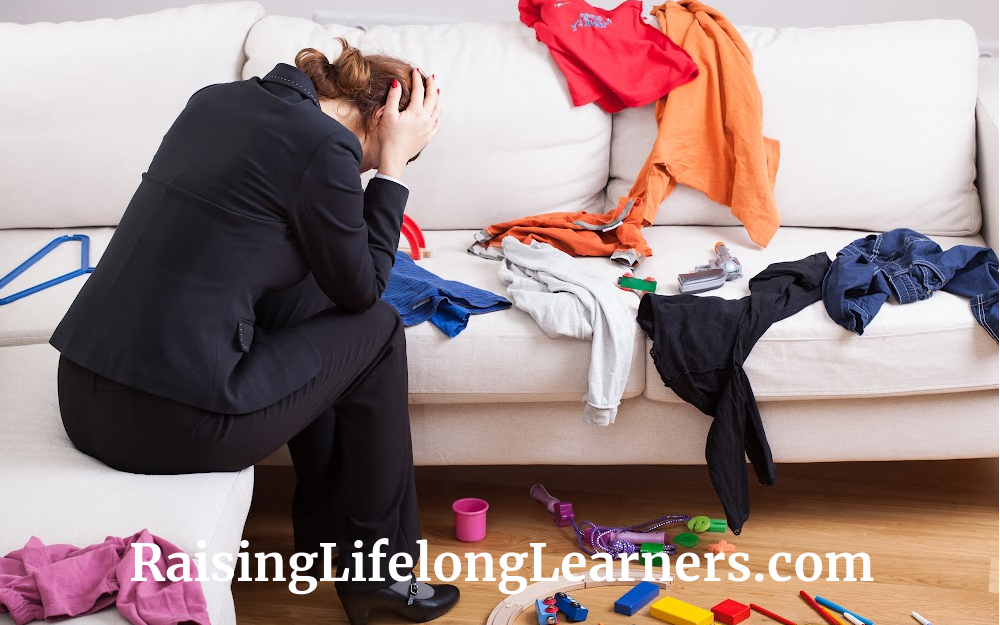
Every parent knows fatigue—the kind a strong cup of coffee or a weekend nap will help. But what about the tiredness that doesn’t lift, the exhaustion that sleep can’t cure? The kind that turns into irritability, numbness, resentment, and even hopelessness? There’s a name for it: burnout.
Burnout is more than being tired. It’s that hollowed-out feeling that you just can’t keep doing this anymore—the chronic emotional exhaustion where joy slips silently out the back door and you’re left only with the drive to keep everyone moving forward, even if you’re moving on empty.
The Invisible Load
No one really talks about the full list of job titles you hold as a homeschooling parent of a neurodivergent kid. Not just parent or teacher, but:
- Therapist
- Advocate
- Executive function coach
- Social coordinator
- Accommodation specialist
- Occupational therapy assistant
- Emotional support human
- Keeper of the family mental load
Sound familiar? If you’re parenting a gifted, twice-exceptional, ADHD, autistic, anxious, or sensory-sensitive child, this goes double. You’re never “off.” There’s always the next lesson, next appointment, next emotional storm, next meltdown, next call to make. The mental load is with you whether you’re planning curriculum or just trying to get everyone in the car on time.
It’s the calendar you color code so your partner and teens can (in theory) check what’s happening on any given day, only to find it’s still your mental bandwidth that keeps the whole show running. Even the well-intentioned “How do I get the kids to work?” and “What time do I need to leave?” ends up coming back to you for the answer. The responsibility to hold it all is enormous and unrelenting.
What Does Burnout Look Like?
Burnout sneaks in quietly, usually when you’re too busy to notice. It arrives in stages:
- Pushing through “just one more thing”—until you’re simply surviving, not living.
- Emotional overload that makes you snap at the smallest things.
- Feeling so used up that even time off doesn’t fill the well.
- Guilt—for losing patience, for withdrawing, for not enjoying what you once loved.
And for many homeschooling parents, there’s another layer: compassion fatigue. This isn’t just burnout from doing, it’s the exhaustion from caring. You’re still fiercely devoted to your family… but showing up for everyone’s emotional needs, day after day, depletes your reserves. Maybe you feel numb, struggle to respond with empathy, snap more than you’d like, or just want to retreat and not answer another question or meet another need for a while.
You might like: Self-Care and Co-Regulation | Balancing Parenting and Sensory Needs
The Specific Weight of Parenting Neurodivergent Kids
The constant decision-making in these households is no joke. Do you use this curriculum? What accommodations must be in place? Who needs OT this week, who needs to be driven where, who needs emotional support today? For many neurodivergent kids—well past the age their peers are independent—you’re still helping make appointments, send texts, and coach through social or organizational tasks.
Your nervous system is always “on.” Your child’s dysregulation means you’re the co-regulator—the anchor, their calm in a storm. You’re the safe place for them to vent, melt down, or ask for help. And while you wouldn’t trade being their person for anything, every episode of co-regulation leaves you a little more depleted, a little more anxious, a little more alone with your own worries.
And then there’s the hidden work. The social stories and role-playing before an outing. The researching and prepping for therapies. Making sure everyone is set up for success, unseen. No one sees the emotional labor, the prepping, the troubleshooting—only the outcome when you show up and do “just another day” like no one else in your neighborhood.
What Helps When You’re Worn Down?
So, what do you do when your reserves are gone, when everything feels heavy and you have nothing left to give? Some answers may surprise you.
1. Micro Rests
Stop holding out for an impossible two-hour nap or solo day off. That isn’t coming—at least not regularly. Micro rest is the secret.
Think 30 seconds here, five minutes there: a quick walk around your house, a single favorite song in your earbuds, two minutes of deep breathing with your eyes closed, sipping coffee on the back porch while the house is (mostly) quiet, reading a page of a book while hiding in the closet. These moments might seem insignificant, but your nervous system notices. Over time, they build stamina and bring relief, like adding water drop by drop to a parched plant.
2. Delegation
You’ve been the one carrying it all for so long that even the thought of delegating might be laughable. After all, no one will load the dishwasher correctly, remember the right snacks, or get the groceries for the best price. But delegation doesn’t mean things get done perfectly. It means they get done. Sometimes, “good enough” is just right.
Write simple checklists for recurring chores. Break down laundry or meal prep and assign days or tasks to family members—including teenagers and partners. It might not be exactly your way, but it’s one less thing to hold alone.
Consider outsourcing where you can. This could mean using a grocery delivery service even if it feels indulgent at first, or enlisting outside help for cleaning. Any load lightened is a win.
3. Boundaries
It’s not selfish to say no. Every yes comes at a cost—and your most precious resource is energy. Protect it. That means:
- Setting time boundaries (“I’m unavailable from 1:30 to 3:30.”)
- Defining emotional boundaries (“I can help you figure out what to say, but I can’t make the call for you.”)
- Limiting technology or community commitments that drain more than they give.
Release the guilt. Your kids don’t need a perfect parent—they need a parent who is regulated, sustainable, and human. Replenishment isn’t a luxury, it’s a necessity.
You might like: Parenting in the Moment with Your Child

The Path Back
Healing from burnout doesn’t require a grand gesture. You don’t need to overhaul your life overnight. You need just one micro rest, one task delegated, one boundary affirmed. Start with the next right thing.
Your family needs the real, human you—sometimes messy, always learning, and worthy of rest and support. You’ve carried so much, for so long. Let this be the season you care for yourself with the same devotion you bring to your children.
You are doing enough. You are enough. And you are absolutely not alone.
RLL #320: Navigating Parent Burnout While Homeschooling Neurodivergent Kids
Feeling exhausted in a way that sleep can’t fix? You’re not alone. This week on the podcast, the conversation focused on the unique burnout parents face when homeschooling neurodivergent kids—and why compassion fatigue is so real in our community.
Key Takeaways
- Burnout Is More Than Tired: The exhaustion from parenting neurodivergent kids goes deeper—rest alone doesn’t fix it.
- Micro Rest Counts: Slip in short, intentional moments of downtime throughout the day—they add up and make a difference.
- Delegate & Let Go: Release some control by assigning tasks, even if they aren’t done perfectly.
- Set Boundaries for Survival: Protect your time and energy by saying “no” and establishing clear limits with family and commitments.
- Release the Guilt: Prioritizing your own care isn’t selfish—your kids need a parent who’s healthy, not perfect.
Links and Resources from Today’s Episode
Thank you to our sponsors:
CTC Math – Flexible, affordable math for the whole family!
The Learner’s Lab – Online community for families homeschooling outside-the-box learners!
- The Lab: An Online Community for Families Homeschooling Neurodivergent Kiddos
- The Homeschool Advantage: A Child-Focused Approach to Raising Lifelong Learners
- Raising Resilient Sons: A Boy Mom’s Guide to Building a Strong, Confident, and Emotionally Intelligent Family
- The Anxiety Toolkit
- Sensory Strategy Toolkit | Quick Regulation Activities for Home
- Affirmation Cards for Anxious Kids
- Finding Wonder and Joy in Everyday Homeschooling and Parenting
- Relationships Matter More Than Anything
- Parenting Gifted Kids with Gail Post Ph.D.
- Self-Care and Co-Regulation | Balancing Parenting and Sensory Needs
- Comparison: A Toxic Parenting Trap
- Parenting in the Moment with Your Child
- RLL #105: Parenting ADHD and Autism with Penny Williams
- Parenting and Teaching a Twice Exceptional Child
- Creative Summer Activities to Strengthen Family Connection and Boost Learning
- Why Family Connection Matters Most as Kids Grow Up
- Building Strong Family Bonds | A Conversation with Andee Martineau
- Strengthening Bonds | Building Family Routines and Rituals
- Building Strong Family Teams | Tips for Connection and Collaboration
- Homeschooling Success | The Role of Strong Family Connections
- Activities to Strengthen Your Family Team
- Create the Best Homeschool for Your Family